Call us: 0800 843 752Free shipping for orders $150 or over
Gift Vouchers

Sedum rubrotinctum (Jelly Bean Plant)

5 from 1 customers

Jelly Bean Plant, Pork and Beans Plant

Sedum rubrotinctum, commonly known as Jelly Bean Plant or Pork and Beans Plant, is a compact, low-growing succulent reaching 15–20 cm tall and spreading up to 30 cm wide. It features plump, jelly bean-shaped leaves that are green with red tips, intensifying with sun exposure. Yellow star-shaped flowers appear in spring. This drought-tolerant plant thrives in well-drained soil and full sun, making it perfect for pots, rockeries, and dry areas in New Zealand gardens.
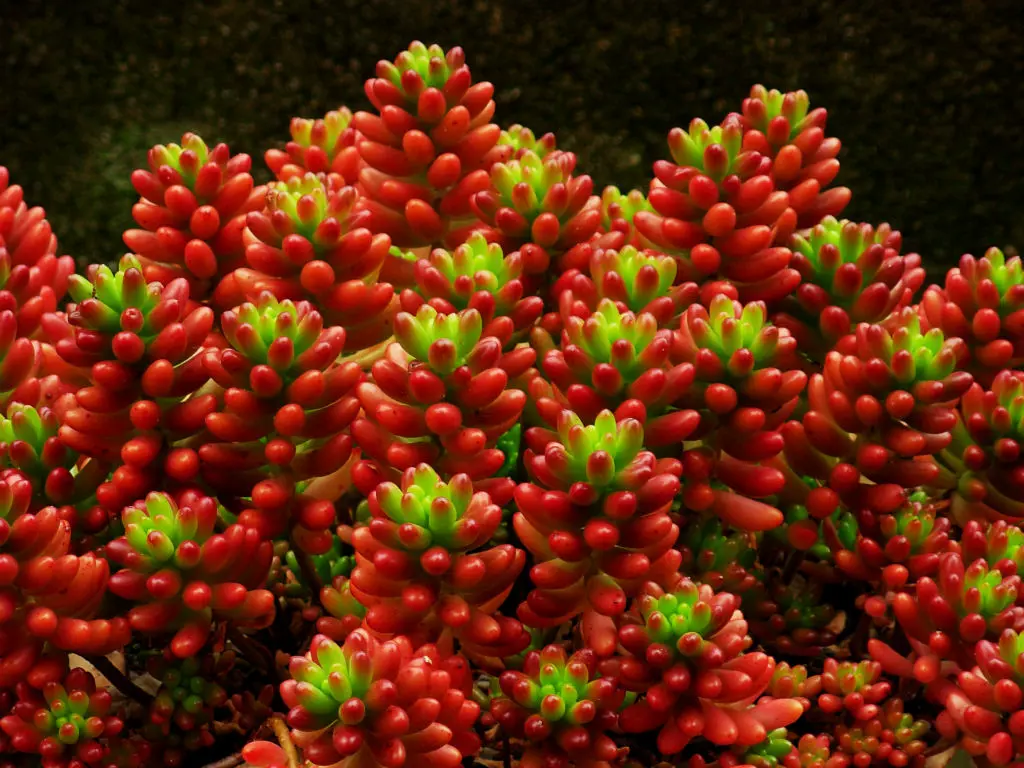
Sedum rubrotinctum (Jelly Bean Plant) bright red foliage.
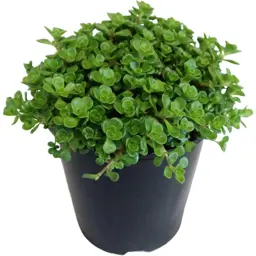
Sedum rubrotinctum (Jelly Bean Plant) in a pot.
Sedum rubrotinctum (Jelly Bean Plant) yellow flowers with green and red leaves.
Sedum rubrotinctum (Jelly Bean Plant) in a pot with other succulents.
The average plant height is 2cm.
$20.93
The average plant height is 1cm.
$22.88

Buy more Sedum rubrotinctum (Jelly Bean Plant) plants and save - Free Shipping over $150.

Suited to regions:Subtropical, Temperate
Plant type:Succulents
Height:20 cm
Spread:20 cm
Flowering time:Summer
Tolerances:Coastal, Extended dry periods
Garden uses:Borders, Containers, Living areas, Paths & Steps, Patios
Garden styles:Architectural, Backyard, City & Courtyard, Coastal, Frontyard, Modern, Rock
Easy to grow?Yes
Maintenance requirementsLow
Growth rateMedium
Also known asJelly Bean Plant, Pork and Beans Plant
Sku14148

Sedum rubrotinctum care

Sedum rubrotinctum is a low-maintenance succulent that thrives in well-draining soil and full sun to partial shade. It prefers a bright, sunny spot where its fleshy, bean-shaped leaves develop red tips, especially with good sun exposure. Watering should be infrequent, allowing the soil to dry out completely between waterings, as overwatering can lead to root rot. This plant is drought-tolerant and well-suited to containers, rock gardens, or as ground cover in warm, frost-free areas. In colder climates, it should be protected from frost or brought indoors during winter. Occasional feeding with a diluted succulent fertiliser in spring and summer can support growth, but it's not strictly necessary.

Is Sedum rubrotinctum poisonous?

Yes, Sedum rubrotinctum is considered mildly toxic to humans and pets if ingested. The sap can also cause skin irritation in some people, especially those with sensitive skin. Ingestion may lead to symptoms like nausea, vomiting, or diarrhoea. While it's not usually deadly, it's best to keep this succulent out of reach of small children and animals and to wear gloves when handling or pruning it if you have sensitive skin.

Where to buy Sedum rubrotinctum?

The Plant Company has the best Jelly Bean plants to buy in NZ. Our production nursery specialises in growing amazing plants, and our logistics team packs them carefully for our customers. The pricing is competitive, and the quality is exceptional. Let us look after your plant needs and impress you with both our products and service!

Does Sedum rubrotinctum flower?

Sedum rubrotinctum does flower. It produces small, bright yellow, star shaped blooms that typically appear from late winter into spring in New Zealand. The flowers form on short stems just above the jelly bean foliage and add a cheerful touch to the plant, especially when grown in full sun and kept on the drier side.

Sedum rubrotinctum propagation

Sedum rubrotinctum is very easy to propagate, making it a favourite among succulent enthusiasts. Propagation is most commonly done by leaf or stem cuttings. To propagate by leaf, gently twist off a healthy leaf from the central plant, ensuring you remove the entire leaf without tearing it. Let it dry for a day or two in a shaded spot to allow the end to callous over, which helps prevent rot. Then place it on well-draining succulent soil and mist lightly every few days until roots and tiny rosettes begin to form. For stem cuttings, snip off a healthy stem, let it callous and plant it directly in the soil. Keep the cuttings in bright, indirect light and avoid overwatering. Once established, they grow quickly and can even spread on their own if leaves drop and root where they land.

Questions and Answers

Have a question about Sedum rubrotinctum (Jelly Bean Plant)? We are here to help.

Reviews

5 from 1 customers
Annie Whiteside - Taranaki

So big & healthy! Thank you.

Sedum 'Midnight Coral' black foliage and orange-pink flowers.
Most Popular

Sedum 'Midnight Coral'

Sedum 'Midnight Coral' is a striking succulent perennial admired in NZ gardens for its dark, dramatic foliage and vibrant late season flowers. Its...

From$22.88
Sedum 'Gold Mound' growing as a bright yellow ground cover plant.
Most Popular

Sedum Gold Mound

Sedum 'Gold Mound' is grown for its colourful foliage and creeping growth habit. It forms a carpet of small, succulent, golden leaves. These are held...

A beautiful Sedum 'Autumn Joy' plant in a garden with pink flowers and lush, green foliage.
Most Popular

Sedum 'Autumn Joy'

Sedum 'Autumn Joy', commonly known as Stonecrop, is grown for its stunning flowers and attractive foliage. This herbaceous perennial produces flowers...

Sedum 'Silver Blob' plant with grey foliage.
Most Popular

Sedum 'Silver Blob'

Sedum 'Silver Blob' is a compact succulent valued for its rounded silvery blue leaves that form neat low growing mounds. This hardy variety performs...

crassula-ovata-
Most Popular

Crassula ovata (Money Tree)

Crassula ovata is a versatile plant ideal for New Zealand gardens, offering unique features and easy care.

From$28.28
Agave attenuata plants with lush, succulent foliage.
Most Popular

Agave attenuata (Foxtail Agave)

Agave attenuata (Foxtail Agave) is a highly ornamental succulent known for its smooth, spineless leaves and graceful rosettes. Unlike many agaves, it...

From$26.93
mesembryanthemum-purple-splendour--2
Most Popular

Mesembryanthemum Purple Splendour

“Purple Splendour” is a variety of the commonly known, Iceplant, and is an herbaceous perennial grown for its spreading nature and pretty flowers. It...

From$21.53
hatiora-salicorniodes-cylindrica-
Most Popular

Hatiora salicornioides (Mistletoe Cactus)

Hatiora salicornioides, commonly known as the Mistletoe Cactus or the Dancing Bones plant, is a succulent grown for its amazing foliage. It produces...

From$48.47
Apodasmia similis (Oi Oi) and Aesculus hippocastanum may be the stars of the show, but unsung heroes like Stachys macrantha, Grape 'Kyoho', and Monstera adansonii deserve a moment in the sun.
–The Plant Company

Explore Garden Inspiration

Sign up to receive a free $10 Voucher You won’t be bombarded with emails, just titbits of quality information from time to time Sign up
Free shipping on orders over $150!

Join our community of happy customers.

4.9

429 Google reviews