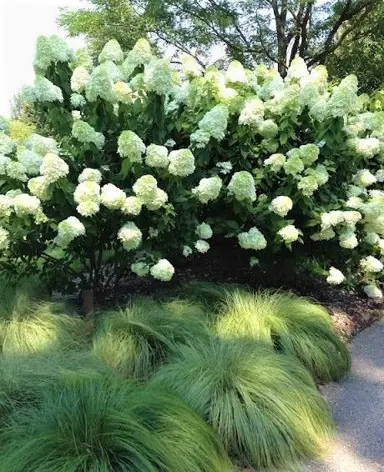
The Plant Company grows, sells, and ships Phlomis plants throughout NZ. We pride ourselves on producing high quality plants and seeing the joy from our customers when they receive them. We do hope you enjoy them and support this NZ business that is passionate about Phlomis plants.
Commonly known as Jerusalem Sage, this is a small shrub grown for both its foliage and flowers. The foliage comprises lush, dark green leaves held on...
Phlomis fruticosa (Jerusalem Sage) is a striking evergreen shrub valued for its soft grey green foliage and bold yellow flower whorls that appear in...
OUT OF STOCK
New Zealand’s Best Phlomis Plants
Growing colourful plants in your garden delivers a vast range of benefits:
They are visual plants that add impact to a space
They attract birds and bees
Street appeal can be greatly enhanced
Children can learn the plants and become more involved with nature
These plants will bring you pleasure for many years to come
We have the best Jerusalem Sage plants and the right one for your space. Our plants have been selected to thrive in NZ’s climate. We grow and stock only the highest quality plants, sourcing them locally, and from NZ’s leading nurseries. Each plant is packed and transported with extreme care, ensuring it arrives to you in the same condition it was in when it left the nursery. If you are wanting to buy Phlomis, shop with confidence from the best in the industry.
Common questions about growing Phlomis
1. What is the English name for Phlomis?
Jerusalem sage is the most widely used name for Phlomis, particularly for the species Phlomis fruticosa. This name is thought to originate from the plant's use in medieval Jerusalem, where it was grown for its medicinal properties and ornamental value.
Lampwick plant is a less common name for Phlomis, but it is still used occasionally. This name refers to the historical use of the plant's leaves as wicks for lamps. The leaves are densely felted with hairs, which made them ideal for this purpose.
2. Does Phlomis spread?
Phlomis can spread, but it is not considered to be invasive. The plant spreads by rhizomes, which are underground stems that produce new plants. This allows Phlomis to form colonies in its preferred habitats. However, the plant is not aggressive and will not outcompete other plants. In fact, Phlomis is a valuable addition to the garden because of its beautiful flowers and foliage.
3. Do Phlomis like sun or shade?
Phlomis plants prefer full sun to partial shade. They are tolerant of a wide range of soil conditions, including well-drained, sandy, and loamy soils. However, they do not like to be overwatered, so it is important to make sure that their soil drains well.
4. What is the difference between Phlomis fruticosa and Phlomis russeliana?
Phlomis fruticosa and Phlomis russeliana are two popular species of the Phlomis genus, both known for their striking yellow flowers and attractive foliage. While they share some similarities, there are also key differences between the two species.
Foliage:
Phlomis fruticosa: The leaves of Phlomis fruticosa are a distinctive blue-green color with a soft, velvety texture. They are also slightly smaller than the leaves of Phlomis russeliana.
Phlomis russeliana: The leaves of Phlomis russeliana are greener in color and have a sticky feel. They are also slightly larger than the leaves of Phlomis fruticosa.
Flowers:
Phlomis fruticosa: Phlomis fruticosa produces clusters of bright yellow flowers that bloom in late spring and early summer. The flowers are slightly smaller than those of Phlomis russeliana.
Phlomis russeliana: Phlomis russeliana produces larger clusters of bright yellow flowers that bloom in late spring and early summer. The flowers are also slightly larger than those of Phlomis fruticosa.
5. Is Phlomis fruticosa toxic?
Phlomis fruticosa is not considered to be toxic to humans or animals. There is no record of any toxicity in humans or animals that have ingested Phlomis fruticosa. The plant is also not listed on any of the major poison control centre lists of toxic plants.
6. Is Phlomis russeliana Turkish or Jerusalem sage?
Phlomis russeliana is commonly known as both Turkish sage and Jerusalem sage. The name "Turkish sage" is more commonly used in the United States, while the name "Jerusalem sage" is more commonly used in Europe. Both names are accurate, as the plant is native to both Turkey and the Middle East.
The plant is also sometimes called "lampwick plant" because its leaves were once used as wicks for lamps. However, this name is less common than "Turkish sage" or "Jerusalem sage."
7. How big does Phlomis russeliana get?
Phlomis russeliana, commonly known as Turkish sage or Jerusalem sage, is an upright herbaceous perennial that typically grows to 60-90 cm tall and 60 cm wide. Its stems are erect and square, and its leaves are large, ovate, and grey-green in colour. The flowers are pale yellow and bloom in whorls from late spring to early autumn.
Contact us
Whether you need assistance finding the plant you’re looking for or you simply want to know more about who we are and what we do, we invite you to get in touch with us today. A member of The Plant Company team will get back in touch as soon as possible.
Blue oat grass, scientifically known as Helictotrichon, is a stunning ornamental grass that brings a unique pop of colour and texture to any garden. This cool-season perennial is cherished for its…
Camellia japonica Nicky Crisp is a stunning addition to any garden, prized for its enchanting blooms and lush foliage. This exquisite shrub boasts beautiful creamy white flowers with a charming blu…
The asian dogwood, scientifically known as Cornus kousa, is a stunning ornamental tree that adds beauty and elegance to any landscape. Known for its eye-catching blooms and unique fruit, this tree…