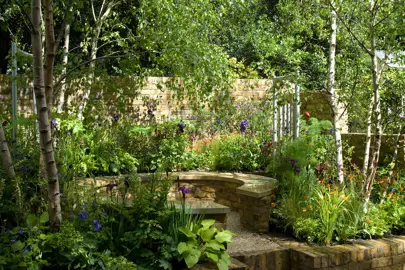
The Plant Company grows, sells, and ships Iberis plants throughout NZ. We pride ourselves on producing high quality plants and seeing the joy from our customers when they receive them. We do hope you enjoy them and support this NZ business that is passionate about Iberis plants.
Iberis sempervirens, commonly known as Evergreen Candytuft or the Candy Tuft plant, is an evergreen shrub with spectacular flowering. Fragrant, white...
Iberis Snowtop, commonly known as the Candytuft plant, is an evergreen shrub with spectacular flowering. Fragrant, pure white flowers are produced...
OUT OF STOCK
New Zealand’s Best Iberis Plants
Adding colourful perennials to your garden delivers a vast range of benefits:
They are visual plants that add impact to a space
They attract birds and bees
Street appeal can be greatly enhanced
Children can learn the plants and become more involved with nature
These plants will bring you pleasure for many years to come
We have the largest variety of Iberis plants and the right one for your space. Our plants have been selected to thrive in NZ’s climate. We grow and stock only the highest quality plants, sourcing them locally, and from NZ’s leading nurseries. Each plant is packed and transported with extreme care, ensuring it arrives to you in the same condition it was in when it left the nursery. If you are wanting to buy Iberis, shop with confidence from the best in the industry.
Common questions about growing Iberis
1. What is another name for Iberis?
The most common other name for Iberis is candytuft. It is a genus of flowering plants belonging to the cabbage family (Brassicaceae). Candytuft is named for its sweet fragrance and its clusters of small, white flowers, which are reminiscent of candy.
2. Is Iberis poisonous?
Iberis is generally considered to be mildly poisonous, but it is not considered to be a major health hazard. The leaves and flowers of Iberis contain a compound called glucosinolates, which can break down into toxic compounds when ingested. However, the amount of glucosinolates in Iberis is relatively low, and it is unlikely to cause serious harm unless a large amount is consumed.
Symptoms of Iberis poisoning can include stomach upset, vomiting, and diarrhea. In severe cases, Iberis poisoning can cause seizures and respiratory problems. However, these symptoms are rare and are typically only seen after consuming a large amount of the plant.
If you suspect that you or someone you know has ingested Iberis, it is important to contact a doctor or poison control center immediately. However, in most cases, Iberis poisoning is mild and does not require medical treatment.
3. Is Iberis a hardy plant?
Iberis is a generally regarded as a hardy plant. Most species of Iberis can tolerate temperatures as low as -20 degrees Celsius. However, some species, such as Iberis sempervirens (evergreen candytuft), are more tender and should be considered as being frost sensitive (i.e., frost may damage them). Iberis is also relatively drought-tolerant and can thrive in a variety of soil types.
4. Where is the best place to plant candytuft?
Candytuft is a versatile plant that can be grown in a variety of locations, including:
Rock gardens: Candytuft is a low-growing plant that is perfect for rock gardens. It will cascade over the rocks and create a beautiful display.
Borders: Candytuft is a great addition to any border. It will add a touch of colour and texture to your garden.
Containers: It can be grown in containers on a patio or balcony. It will make a lovely addition to your outdoor living space.
Ground cover: Candytuft can be used as a ground cover to suppress weeds and add colour to your garden.
When choosing a location for candytuft, it is important to consider the following factors:
Sun exposure: they prefer full sun or partial shade. It will not flower or grow will in full shade.
Soil: It prefers a well-drained soil that is not sodden.
Water: They will benefit from regular watering during the hot summer months.
To plant Iberis, dig a hole twice as wide as the root ball and to the same depth. Place the plant in the hole and backfill with soil, firming down gently to remove any air pockets. Water the plant thoroughly.
Contact us
Whether you need assistance finding the plant you’re looking for or you simply want to know more about who we are and what we do, we invite you to get in touch with us today. A member of The Plant Company team will get back in touch as soon as possible.
Phormium tenax Guardsman is an outstanding native New Zealand flax, celebrated for its striking appearance and versatility in various landscaping projects. This hardy plant features upright leaves…
Lomandra longifolia Arctic Frost is a versatile and hardy plant, perfect for those looking to enhance their garden aesthetics while minimizing maintenance. Known for its striking foliage and adapta…
Discover the stunning appeal of the Magnolia Burgundy Star NZ – a standout feature tree cherished by New Zealand gardeners for its deep burgundy blooms and eye-catching form. Whether you are design…