Call us: 0800 843 752Free shipping for orders $150 or over
Gift Vouchers

thuja orientalis

Thuja orientalis, also known as Oriental Arborvitae, is a versatile, slow-growing conifer that brings year-round structure and lush greenery to New Zealand gardens. With its naturally compact habit and soft, scale-like foliage, thuja orientalis is an enduring favourite for hedges, borders, foundation planting, or as a statement specimen in mixed shrub beds. Its adaptability to a range of soil conditions, paired with resistance to pests and diseases, makes it an excellent low-maintenance option for both beginner gardeners and seasoned landscapers.
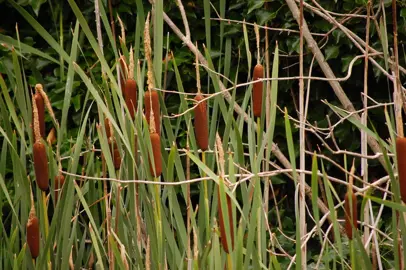
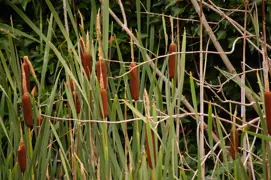
Typha orientalis (Raupo) plants with brown seed heads.

Typha orientalis (Raupō)

5 from 2 customers

Typha orientalis, commonly known as Raupo, is a vigorous and erect, NZ native grass. It is found throughout New Zealand in shallow, fertile waters such as sheltered lakes and swamps and will grow in water up to one metre deep. Plants will typically grow to 2.5 m tall and 1 m wide, but will quickly colonise larger areas as the roots spread. Typha orientalis is commonly used in wetland and riparian plantings but is also now being included in modern gardens where it is used in borders and mixed plantings.

Suited to regions: All regions
Plant type: Grasses
Height: 2.50 m
Spread: 1.00 m
Flowering time: Summer
Tolerances: Coastal, Hardy, Wet
Garden uses: Ponds, Screening
Garden styles: Alpine, Architectural, Backyard, City & Courtyard, Coastal, Frontyard, Japanese, Modern, Native, Riparian
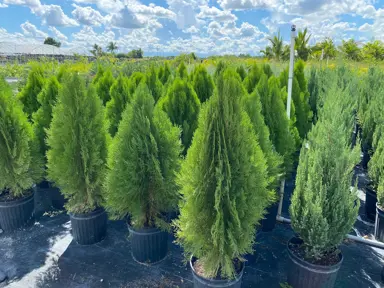
Thuja occidentalis 'Pyramidalis' trees with lush green foliage standing 1.5 metres tall in a plant nursery ready for sale.

Thuja occidentalis 'Pyramidalis'

Thuja occidentalis 'Pyramidalis' is an elegant conifer that grows with a narrow and dense, pyramidal shape. The foliage is dark green, sometimes tinged bronze in winter, and produced with a somewhat layered effect to give the plant an interesting texture. It grows to 4 m in height and 1.5 m in width, and can be trimmed as necessary. Thuja 'Pyramidalis' is commonly included in a mixed planting, used as a backdrop for smaller plants, grown for shelter or screening, used for hedging, or planted to line an entranceway or avenue. It is excellent for providing an architectural element and suits being planted against a large, bland wall.

Suited to regions: All regions
Plant type: Conifers
Height: 4.00 m
Spread: 1.50 m
Tolerances: Extended dry periods, Hardy
Garden uses: Containers, Hedging, Screening
Garden styles: Architectural, Backyard, City & Courtyard, Formal, Frontyard, Mediterranean, Modern
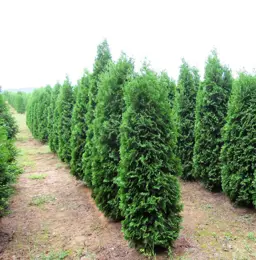
Thuja occidentalis 'Smaragd' hedge with bright green foliage.

Thuja occidentalis 'Smaragd' (Green Cedar)

Thuja 'Smaragd', commonly known as the Green or Emerald Cedar, grows with a narrow, dense, and columnar habit. The foliage is rich green, sometimes...

From$33.68
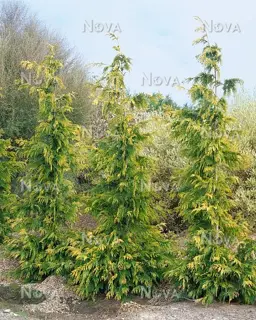
thuja-old-gold-

Thuja plicata Old Gold (Thuja Old Gold)

Thuja plicata Old Gold features foliage that is rich yellow and develops bronze tones in winter. It is held in clusters which produces a layered...

From$299.92
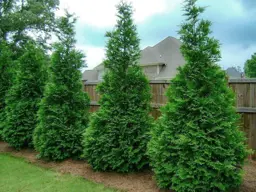
Thuja plicata 'Green Giant' trees standing 5 m tall as a lush, green screen.

Thuja 'Green Giant'

Thuja 'Green Giant' is a smaller variety of Cedar and bears sprays of glossy, dark green foliage held on slender stems. The result is a tree with a...

From$33.68
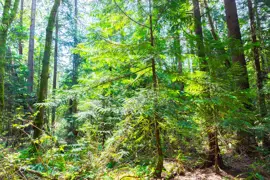
A young Thuja plicata (Western Red Cedar) tree in a forest standing four metres tall.

Thuja plicata

Thuja plicata, commonly known as the Western Red Cedar, is a conifer that grows into an attractive and large tree. It grows with a dense, conical...

From$33.68
Helleborus orientalis with colourful pink flowers.

Helleborus orientalis (Lenten Rose)

Helleborus orientalis, commonly known as Lenten Rose, is a hardy perennial prized for its elegant winter and early spring blooms. Flowers appear in...

From$20.18
platanus-orientalis-

Platanus orientalis

Platanus orientalis (Oriental Plane Tree) is a majestic deciduous tree admired for its broad canopy, large lobed leaves, and distinctive mottled...

From$299.92
Typha orientalis (Raupō)

Did you find what you are looking for?

You might be interested in exploring related Latin Names - Helleborus, Platanus Thuja and Typha, or related Categories - Conifer Trees, Grasses Perennials and Deciduous Trees.

Search thuja orientalis

Features and Growth

Thuja orientalis stands out with its dense, upright form and gently aromatic, evergreen leaves. Foliage emerges bright green and may take on bronze or golden hues in winter, providing seasonal interest. Height typically ranges from 2-5 metres, but growth rate and ultimate size can vary depending on the cultivar and growing conditions. This conifer tolerates full sun to part shade and is remarkably wind-hardy—crucial in exposed New Zealand gardens. It requires little pruning to maintain its tidy shape, and unlike some conifers, won’t easily grow out of control.

Popular Varieties

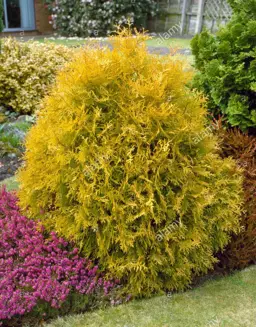
Many gardeners in New Zealand love the diversity of thuja orientalis cultivars, each offering unique colours and growth habits. Compact options like Thuja orientalis Aurea Nana display golden-yellow new growth and retain a small, rounded form, perfect for low hedges or containers. For bursts of seasonal colour, Thuja orientalis 'Rosedalis' delights with rosy-tipped spring foliage. If you’re seeking something unusual, Thuja orientalis 'Blue Cone' brings eye-catching blue-toned cones and compact branching, adding character to mixed plantings.

While researching this species, you might also come across Thuja occidentalis, a closely related conifer that shares similar uses and eye-pleasing appearance.

Uses in the Garden

Thuja orientalis’s tidy habit and year-round colour make it a top performer for formal hedging, privacy screens, and evergreen backdrops. It responds well to clipping and shaping, so it’s often planted as a classic hedge or topiary. In smaller gardens or where space is limited, dwarf varieties like Thuja orientalis Aurea Nana provide structure without overwhelming their neighbours. Pair these conifers with contrasting textural plants or grasses for a dynamic effect—consider adding moisture-loving species like Typha orientalis (Raupō) near ponds or rain gardens for a naturalistic, layered look.

Planting and Care Tips

Thuja orientalis is happiest in well-drained soil with plenty of organic matter, but it adapts to clay or sandy conditions as long as extremes are avoided. Water young plants regularly, especially over dry summers, to help establish deep roots. Once established, these conifers are notably drought-tolerant and cope well with the challenging New Zealand climate. A layer of mulch will help conserve soil moisture and keep the roots cool. Feed with a balanced, slow-release fertiliser in spring to promote healthy new growth and enhance foliage colour.

Whether you need a classic formal hedge or a statement specimen, thuja orientalis’s reliability, resilience, and beauty ensure it remains a cornerstone of low-maintenance gardening in New Zealand. Explore the rich variety of cultivars to find the perfect fit for your outdoor space.


Contact us

Whether you need assistance finding the plant you’re looking for or you simply want to know more about who we are and what we do, we invite you to get in touch with us today. A member of The Plant Company team will get back in touch as soon as possible.

–The Plant Company

Explore Garden Inspiration

Sign up to receive a free $10 Voucher You won’t be bombarded with emails, just titbits of quality information from time to time Sign up
Free shipping on orders over $150!

Join our community of happy customers.

4.9

433 Google reviews