Call us: 0800 843 752Free shipping for orders $150 or over
Gift Vouchers

portuguese laurel pruning

Portuguese laurel (Prunus lusitanica) is a versatile evergreen prized by New Zealand gardeners for its lush foliage and natural elegance. Whether you’re maintaining a formal hedge or encouraging dense growth in a privacy screen, understanding Portuguese laurel pruning is essential for a healthy, attractive plant. Discover expert tips for pruning Prunus lusitanica, when to trim, and how to shape your laurel to suit your garden style.

Prunus lusitanica

5 from 2 customers

Prunus lusitanica, commonly known as the Portuguese Laurel, is a large shrub that is widely grown across the world. It features dark red stems that bear lush, dense, and dark green leaves. The white flowers are small and fragrant, followed by small, dark purple berries. It typically grows to 5 m tall and 4 m wide and can be trimmed as necessary. Prunus lusitanica is an excellent plant for a large garden. It is commonly used as a backdrop for smaller plants, planted for screening and shelter, used for topiary, or included in a “white” garden. Landscape designers favour Portuguese Laurels for their elegance and versatility.

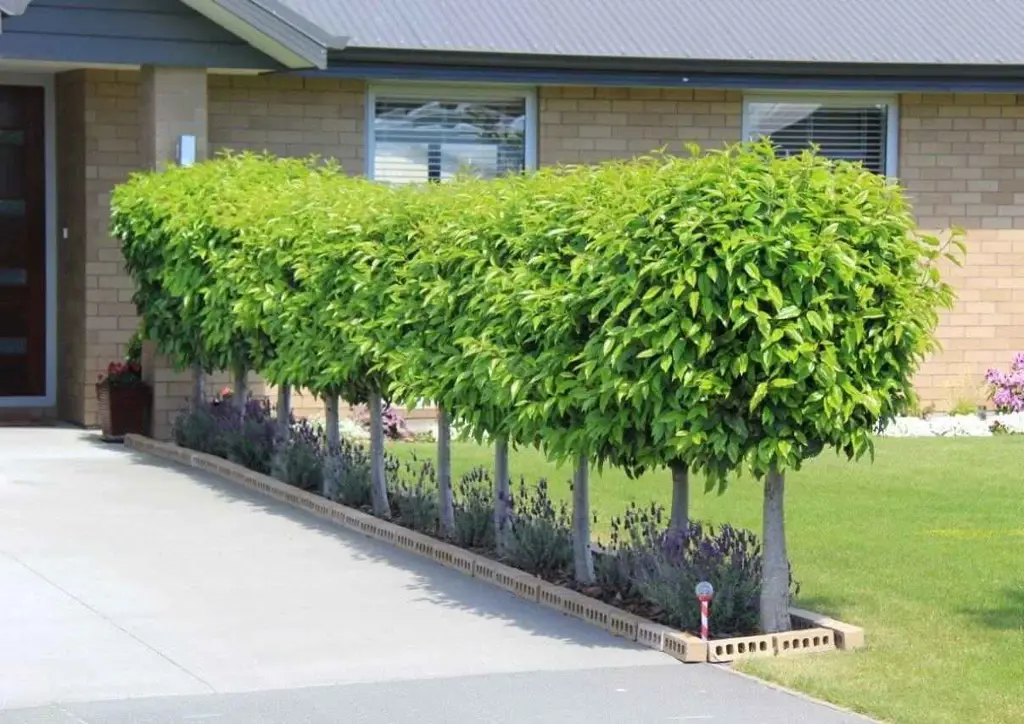
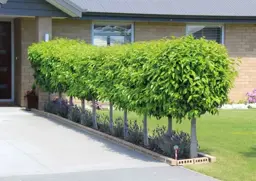
Portuguese Laurel (Prunus lusitanica) standard trees bordering a driveway.
  • Suited to regions:
    Subtropical, Temperate
  • Plant type:
    Shrubs
  • Height:
    5.00 m
  • Spread:
    4.00 m
  • Flowering time:
    Summer
  • Garden uses:
    Hedging, Pool areas, Screening, Topiary
  • Garden styles:
    Backyard, City & Courtyard, Cottage, Formal, Frontyard, Japanese, Modern, White

prunus-accolade-
Most Popular

Prunus Accolade

Prunus Accolade is a variety of Flowering Cherry that features masses of semi-double flowers. The frilly and pink blooms are borne in clusters...

From$299.92
prunus-amanogawa-
Most Popular

Prunus Amanogawa

Prunus Amanogawa is a variety of Flowering Cherry that features masses of pale-pink flowers through spring. The mildly fragrant, semi-double flowers...

From$343.89
prunus-awanui-3
Most Popular

Prunus Awanui

Prunus Awanui is a variety of Flowering Cherry that features masses of fragrant, pink flowers through spring. This deciduous tree grows with a vase...

From$343.89
prunus-falling-snow-
Most Popular

Prunus Falling Snow

Prunus Falling Snow is a variety of Flowering Cherry grown for its pendulous growth and fantastic flowering. It features masses of single, white...

From$343.89
prunus-felix-jury-
Most Popular

Prunus Felix Jury

Prunus Felix Jury is a variety of Flowering Cherry that features masses of large, claret-red blossoms in spring which are held as pendulous clusters...

From$432.79
A Hydrangea 'Merveille Sanguine' shrub displaying showy, red flowers with purple foliage.
Most Popular

Hydrangea Merveille Sanguine

Hydrangea 'Merveille Sanguine' is a dramatic mophead variety known for its rich burgundy-red flower heads and deep green to bronzed foliage. This...

From$29.63
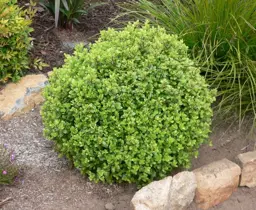
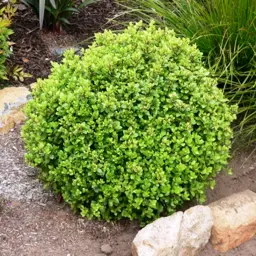
Pittosporum 'Golf Ball' (Dwarf Pittosporum) shrub with lush green foliage in a garden.
Most Popular

Pittosporum Golf Ball

Pittosporum 'Golf Ball' is a compact, evergreen shrub native to New Zealand, renowned for its dense, rounded form and vibrant green foliage. This...

From$25.58
pittosporum-frankies-folly-
Most Popular

Pittosporum Frankies Folly

Pittosporum 'Frankies Folly' is a compact evergreen shrub admired for its naturally rounded form and dense foliage. This hardy New Zealand native...

From$25.58
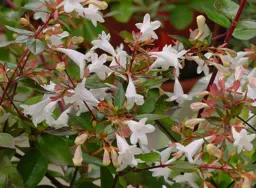
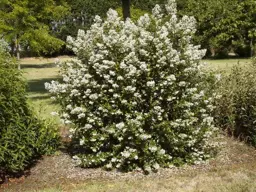
Abelia grandiflora plants with white flowers and fine, green foliage.
Most Popular

Abelia grandiflora

Abelia grandiflora, commonly known as Glossy Abelia, produces masses of mauve and white flowers in clusters throughout summer. The foliage comprises...

From$24.23
escallonia-iveyi--1
Most Popular

Escallonia Iveyi

Escallonia Iveyi is renowned for both its attractive foliage and quaint flowers. Small and glossy, green leaves give way to clusters of lightly...

From$24.23
Prunus lusitanica

Did you find what you are looking for?

You might be interested in exploring Prunus or Evergreen Shrubs.

Search Prunus lusitanica

Why Prune Portuguese Laurel?

Regular pruning keeps your Portuguese laurel healthy, encourages vigorous new growth, and helps maintain a tidy shape. Pruning also improves airflow within the shrub, reducing the risk of diseases and pests. If you’re growing your Portuguese laurel as a hedge or topiary, trimming ensures lush, dense foliage and crisp lines, while allowing the plant to recover quickly. Gardeners appreciate how Prunus lusitanica responds well to clipping, making it a favourite for both informal and formal landscapes.

Best Time for Portuguese Laurel Pruning

For optimal results, prune your Portuguese laurel in late spring to early summer, after its first flush of growth. Light trimming can also be performed in autumn to tidy up the shrub before winter arrives. Avoid heavy pruning during very cold or excessively hot weather, as this may stress the plant. If you’re managing a newly-planted hedge, frequent shaping in the first few years encourages bushy growth from the base.

How to Prune Prunus lusitanica

Start by removing dead, diseased, or damaged branches. Use sharp, clean secateurs or hedge trimmers to make precise cuts. If you’re shaping a hedge, trim the sides slightly narrower at the top to maximise sunlight. For larger solo specimens, prune lightly to maintain a balanced structure and promote new shoots. Limit heavy pruning to no more than one-third of the plant’s volume each season to avoid shock.

Common Uses for Portuguese Laurel Pruning

Portuguese laurel works beautifully as a privacy hedge, windbreaker, or backdrop for colourful shrubs like Coleonema album and Camellia 'Blondy'. Its tolerance for pruning means you can create formal shapes, arches, or soften boundaries where your garden meets paths or lawns. Many gardeners choose Prunus lusitanica for quick, evergreen screens alongside flowering trees such as Prunus Accolade or Prunus Amanogawa, ensuring year-round interest in mixed plantings.

Aftercare and Health

Once pruning is complete, feed your Portuguese laurel with a balanced fertiliser and mulch around the base to retain moisture. Check regularly for signs of shot hole disease or scale insects, especially after pruning. Good aftercare supports strong regrowth and a vibrant, healthy hedge or specimen. If you’re enhancing your borders, consider companion plants like Azalea 'White Grandeur' or Crowea Pink Star (Waxflower) for added colour against your laurel’s rich green leaves.

Explore More Garden Inspirations

Portuguese laurel pruning makes it easy to create refined, lush hedges and screens in your New Zealand garden. Experiment with combining Prunus lusitanica alongside other flowering trees, such as Prunus Awanui, Prunus Falling Snow, or Prunus Felix Jury. For striking foliage contrasts, try pairing with Loropetalum 'Burgundy'. With the right pruning techniques, your Portuguese laurel can be the cornerstone of a thriving, beautiful landscape.


Contact us

Whether you need assistance finding the plant you’re looking for or you simply want to know more about who we are and what we do, we invite you to get in touch with us today. A member of The Plant Company team will get back in touch as soon as possible.

–The Plant Company

Explore Garden Inspiration

Sign up to receive a free $10 Voucher You won’t be bombarded with emails, just titbits of quality information from time to time Sign up
Free shipping on orders over $150!

Join our community of happy customers.

4.8

445 Google reviews