Call us: 0800 843 752Free shipping for orders $150 or over
Gift Vouchers

poa cita maintenance

Poa cita, commonly known as Silver Tussock, is a staple in New Zealand landscapes thanks to its elegant silvery foliage and easy-going nature. Whether you’re creating a native garden, stabilising a slope, or adding textural interest to mixed borders, Silver Tussock delivers year-round appeal. However, to keep your Poa cita looking its best and thriving season after season, a few simple maintenance steps make all the difference. This guide covers everything you need to know about Poa cita maintenance—from pruning and dividing to common pests, site selection, and ideal companion plants.

Poa cita

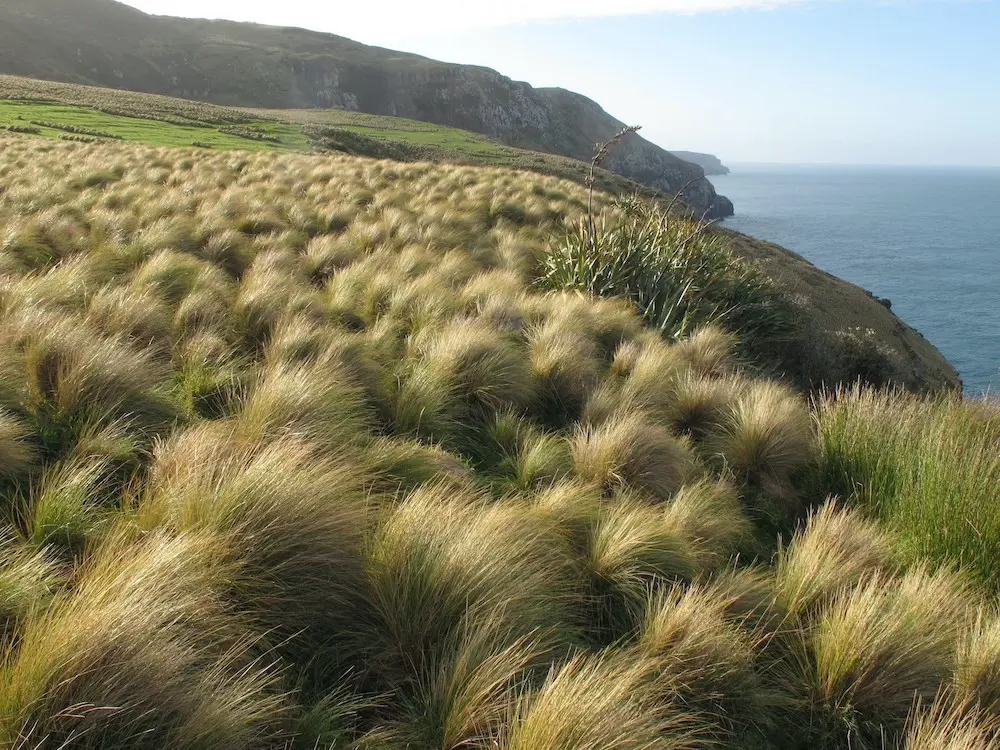
Poa cita, commonly known as Silver Tussock, is a clump-forming NZ native grass with delicate, green foliage that wafts gracefully in the breeze. It typically grows to 60 cm in height and 50 cm in width, preferring a full sun or partial shade position on a well-drained site. Poa cita is also often included in borders, rock gardens, mass-planted on a bank, or planted to help minimize erosion. Landscape designers in NZ frequently use Silver Tussock in alpine-themed gardens or modern gardens for their rounded, architectural form.

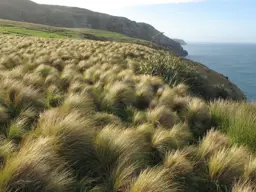
Poa cita grass plants on a plateau overlooing the sea.
  • Suited to regions:
    All regions
  • Plant type:
    Grasses
  • Height:
    60 cm
  • Spread:
    50 cm
  • Flowering time:
    Summer
  • Tolerances:
    Coastal, Extended dry periods, Hardy, Wind
  • Garden uses:
    Borders, Living areas, Paths & Steps, Ponds, Pool areas
  • Garden styles:
    Alpine, Architectural, Backyard, City & Courtyard, Coastal, Frontyard, Japanese, Mediterranean, Modern, Native
Poa anceps plant with brown flower heads.
Most Popular

Poa anceps (Broad-leaved Poa)

Poa anceps, commonly known as Broad leaved Snow Grass, is a hardy NZ native tussock valued for its graceful, arching green leaves and ability to...

Poa billardierei grass growing at a beach.
Most Popular

Poa billardierei (Hinarepe)

Poa billardierei, commonly known as Sand Tussock, features fawn-green coloured foliage as it grows to 70 cm tall and 50 cm wide. The fine leaves are...

Poa colensoi growing in an alpine location.
Most Popular

Poa colensoi

Poa colensoi is an ornamental tussock grass that features fine, blue-green foliage and grows to about 30 cm high and wide. Poa colensoi is commonly...

helicotrichon-sempervirens-3
Most Popular

Helictotrichon sempervirens (Blue Oatgrass)

Helictotrichon sempervirens, commonly known as Blue Oatgrass, is a lovely and popular ornamental grass featuring distinct, blue foliage. It grows as...

From$16.88
Carex comans green plants with dense, green foliage in a garden.
Most Popular

Carex comans Green

Carex comans Green is a NZ native, ornamental grass featuring slender and arching, lime green foliage. It grows as a tidy clump to about 40 cm tall...

From$13.43
Liriope muscari growing as a mass planting in a woodand garden.
Most Popular

Liriope muscari

Liriope muscari, commonly known as Lilyturf or Monkeygrass, is an herbaceous perennial with flower spikes that rise above the foliage during summer...

From$18.83
Orange foliage on Carex testacea.
Most Popular

Carex testacea

Carex testacea, commonly known as Orange Sedge, is a striking New Zealand native grass admired for its fine, arching foliage that turns a brilliant...

From$13.43
Lomandra Lime Tuff in a garden showing elegant foliage.
Most Popular

Lomandra Lime Tuff

The optimum Lomandra Lime Tuff planting distance for the plants to merge and become an effective ground cover is 50 cm apart. However, they must be...

From$17.48
Poa cita

Did you find what you are looking for?

You might be interested in exploring Poa or Grasses.

Search Poa cita

Why Choose Poa cita?

Poa cita stands out among native grasses for its fine, grey-green foliage and graceful, arching form. This versatile plant is perfect for mass planting, erosion control, and low-maintenance gardens. For gardeners interested in diversity, consider pairing Poa cita with other natives like Poa anceps (Broad-leaved Poa), Poa billardierei (Hinarepe), or Poa colensoi for varied texture and colour.

Essential Poa cita Maintenance Steps

1. Planting Location

For long-term success, plant Poa cita in a sunny or partially shaded spot with well-draining soil. While this species tolerates wind and drought, avoid boggy ground to prevent root rot. Companion grasses such as Cyperus papyrus Nana (Dwarf Papyrus) and Liriope muscari offer interesting foliage contrasts and share similar growing requirements.

2. Watering and Fertilising

Once established, Poa cita is drought-resistant and rarely needs extra watering except in extended hot, dry spells. During its first growing season, water deeply to encourage strong root growth. Fertilising is generally unnecessary but a light sprinkle of slow-release native plant fertiliser in early spring can give established plants a boost.

3. Annual Pruning and Tidy-Up

One of the most crucial aspects of Poa cita maintenance is annual pruning. In late winter or early spring, gently rake or comb through the tussock to remove dead leaves and spent flower stems. For mature clumps that look tired, you can cut back old foliage to about a third of the plant’s height. This encourages fresh, healthy growth and revitalises the attractive silver tufts.

4. Dividing and Spreading

Every few years, divide overcrowded clumps in early spring. Lift clumps with a spade, separate them into smaller sections, and replant to maintain vigour. Dividing not only keeps your Poa cita looking neat but also provides new plants for other areas in your garden or for sharing with friends.

Pests, Diseases, and Troubleshooting

Poa cita is largely trouble-free, but keep an eye out for fungal rust in humid conditions. Good air circulation and avoiding overhead watering help prevent problems. Remove any affected leaves and discard them to contain spread.

Creating a Beautiful Native Grass Display

Combine Poa cita with robust natives like Juncus australis (Leafless Rush), Aciphylla glaucescens, or Luzula banksiana for a prairie-style look that’s both easy-care and dramatic.

Mastering Poa cita maintenance means your Silver Tussock will look fresh and lively in any setting. With just a bit of annual care, you’ll enjoy this iconic New Zealand grass for years to come.


Contact us

Whether you need assistance finding the plant you’re looking for or you simply want to know more about who we are and what we do, we invite you to get in touch with us today. A member of The Plant Company team will get back in touch as soon as possible.

Griselinia 'Broadway Mint' and Rosmarinus prostratus (Creeping Rosemary) are popular for a reason, but it’s plants like Prunus Ichiyo, Hebe Heebie Jeebies, and Alstroemeria Inticancha Sunstar (Peruvian Lily) that create a truly unique garden.
–The Plant Company

Explore Garden Inspiration

Sign up to receive a free $10 Voucher You won’t be bombarded with emails, just titbits of quality information from time to time Sign up
Free shipping on orders over $150!

Join our community of happy customers.

4.9

429 Google reviews