Call us: 0800 843 752Free shipping for orders $150 or over
Gift Vouchers

peperomia id

Wondering how to identify your Peperomia plant? You’re not alone. With over 1,000 known Peperomia species, each featuring unique foliage, textures, and growth habits, spotting the differences can be challenging. Whether you’re a seasoned collector seeking confirmation or a beginner trying to care for a new plant, understanding peperomia id is crucial for keeping your green friend healthy. On this page, we’ll help you confidently distinguish between the most popular Peperomia varieties found in New Zealand homes and offer expert tips for successful identification.

peperomia-scandens-

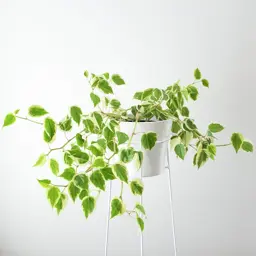
Peperomia scandens

Peperomia scandens, commonly known as the Cupid Peperomia, is a popular and easy to grow indoor plant. It produces green, heart shaped leaves that are held off trailing stems. It typically grows to 15 cm tall and 30 cm wide. Peperomia scandens is commonly grown indoors in an office or the like where a fresh, delightful, and elegant plant is required. It is also well suited to being grown in a hanging basket.

Suited to regions: Subtropical
Plant type: Indoor Plants
Height: 15 cm
Spread: 30 cm
Garden uses: Borders, Containers, Living areas, Paths & Steps
Garden styles: Backyard, City & Courtyard, Frontyard, Modern
peperomia-clusiifolia-

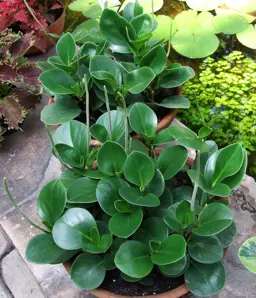
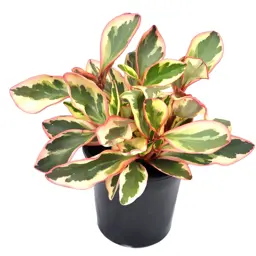
Peperomia clusiifolia

Peperomia clusiifolia, commonly known as the Jelly Plant, is a popular and easy to grow indoor plant. It produces short stems carrying thick and glossy leaves that are variegated cream, green, and red, and typically grows to 30 cm tall and 25 cm wide. Peperomia clusiifolia is commonly grown indoors in an office or the like where a fresh, delightful, and elegant plant is required.

Suited to regions: Subtropical
Plant type: Indoor Plants
Height: 30 cm
Spread: 25 cm
Garden uses: Borders, Containers, Living areas, Paths & Steps, Pool areas
Garden styles: Backyard, City & Courtyard, Frontyard, Japanese, Modern, Tropical
peperomia-jade-

Peperomia Jade

Peperomia Jade is a variety of the commonly known, Baby Rubberplant, and is a popular and easy to grow indoor plant. It produces short stems carrying...

From$33.68
Peperomia Burgundy indoor plant.

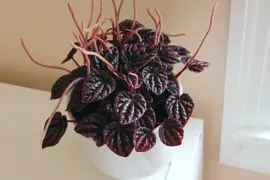
Peperomia Burgundy

Peperomia Burgundy is a popular and easy to grow indoor plant. It produces heart shaped leaves that are rippled and burgundy red colour. It typically...

From$37.73
Peperomia scandens

Did you find what you are looking for?

You might be interested in exploring related Latin Names - Peperomia, or related Categories - Indoor Plants.

Search peperomia id

What Makes Peperomia Stand Out?

Peperomia plants are known for their compact growth, diverse leaf shapes, and colourful patterns. Most thrive in indirect light, making them ideal for indoor spaces. Foliage ranges from thick, succulent-like leaves to delicate, trailing forms. When considering peperomia id, pay close attention to characteristics such as leaf colour, texture, and growth habit.

Common Peperomia Varieties and Identification Tips

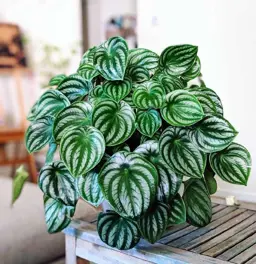
Peperomia Watermelon (Peperomia argyreia)

One of the most sought-after varieties, Peperomia Watermelon (Peperomia argyreia) is easily identified by its striking round leaves, featuring silver stripes that mimic a watermelon rind. The leaves are thick and glossy, held upright on red stems. This cheerful species is a staple in New Zealand homes and is perfect for anyone looking to add a touch of pattern and colour.

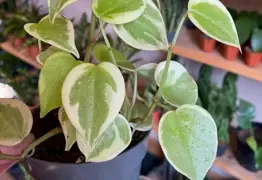
Peperomia scandens variegata (Cupid Peperomia)

For those searching for a trailing Peperomia, Peperomia scandens variegata (Cupid Peperomia) stands out. Its heart-shaped leaves are light green with creamy-white borders. The variegated pattern is the key peperomia id factor here. It’s an excellent choice for shelves or hanging baskets, where the cascading foliage can show off its unique colours.

Peperomia scandens

Similar in shape but different in colour, Peperomia scandens presents lush, plain green heart-shaped leaves. It’s popular for its vigorous growth and ease of care. Spotting the solid colour makes peperomia id quick and simple.

Peperomia tricolor

If you love vibrant blends, Peperomia tricolor brings drama with its tri-coloured foliage. Look for green leaves with creamy-yellow and pinkish-red highlights. The unique colouring and compact growth make it a favourite for mixing with other indoor plants.

Peperomia optipan bicolor (Peperomia obtipan Bicolor)

Distinctive variegation sets Peperomia optipan bicolor (Peperomia obtipan Bicolor) apart. This cultivar features narrow, pointed leaves with two-tone green and creamy-white stripes. It’s a stunning option if you want something both unusual and easy to care for.

How to Identify Your Peperomia

When tackling peperomia id, observe leaf shape, colour patterns, and texture. Examining the stems and growth habit—upright or trailing—can help narrow down possibilities. If you’re unsure, browse our Peperomia collection for visual comparisons, or match your plant against our indoor plant photos and descriptions.

Final Tips for Confident Peperomia ID

Keep notes and take photos as your plant matures, since some Peperomias change appearance with age. Don’t hesitate to review our dedicated pages linked above for in-depth care and more images. With a little attention, you can master peperomia id and enjoy these beautiful, low-maintenance plants year-round.


Contact us

Whether you need assistance finding the plant you’re looking for or you simply want to know more about who we are and what we do, we invite you to get in touch with us today. A member of The Plant Company team will get back in touch as soon as possible.

There’s more to explore beyond Gardenia radicans and Azalea Pink Ice — like the subtle beauty of Boysenberry 'Mapua', Acorus gramineus 'Ogon', and Mandevilla 'Red Riding Hood'.
–The Plant Company

Explore Garden Inspiration

Sign up to receive a free $10 Voucher You won’t be bombarded with emails, just titbits of quality information from time to time Sign up
Free shipping on orders over $150!

Join our community of happy customers.

4.9

429 Google reviews