native plants for wet areas
Struggling to find the right greenery for damp, boggy spots in your garden? Native plants for wet areas thrive where others falter, transforming waterlogged soils and pond edges into lush, vibrant habitats. Choosing local species not only beautifies your landscape—it supports New Zealand’s biodiversity and creates sanctuary zones for wildlife, including birds and insects. Whether your property backs onto a stream, features low-lying soil prone to flooding, or you’re planning a natural wetland garden, native plants are a resilient solution.
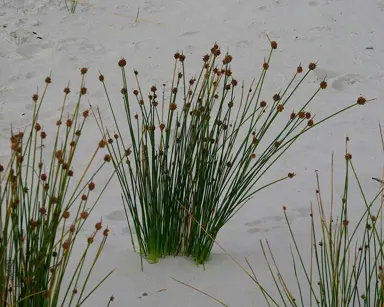
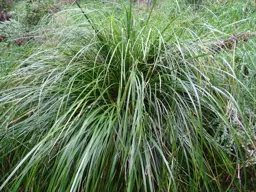
Ficinia nodosa (Knobby Club Rush)
Ficinia nodosa, commonly known as Knobby Club Rush, is a NZ native grass that features stout, mid-green foliage. In cold or exposed climates, the foliage often takes on bronze tones. Light brown flower heads are borne among the foliage in summer, adding additional interest to this plant.
From $14.84
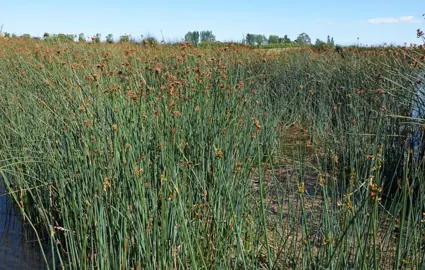
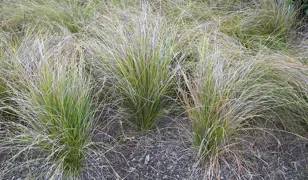
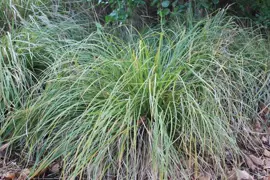
Juncus edgariae (Edgar's Rush)
Juncus edgariae, commonly known as Wiwi, is the most prevalent species of Rush in New Zealand and grows as a tight clump with bright green, stem-like leaves. It typically grows to 75 cm tall and the same wide, but will spread to colonise a larger area with time.
From $16.49