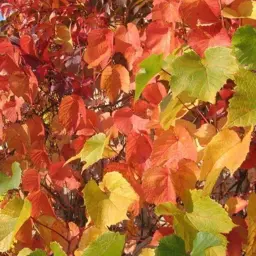
muehlenbeckia vine
The Muehlenbeckia vine is a unique and versatile New Zealand native plant prized for its delicate, wiry stems and striking foliage. Whether you’re looking to create a lush groundcover, train a climber up a trellis, or add texture to your garden borders, Muehlenbeckia is an excellent choice for Kiwi gardeners. Its resilience, adaptability, and low maintenance requirements make it popular in both coastal and inland gardens, thriving in a variety of soil types and weather conditions across New Zealand. Read on to discover more about the different Muehlenbeckia species, how you can use them in your landscape, and tips for growing and caring for Muehlenbeckia vines.
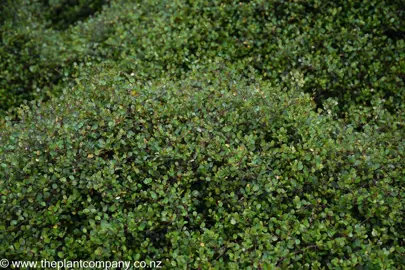
Muehlenbeckia axillaris (Creeping Wire Vine)
Muehlenbeckia axillaris, commonly known as Creeping Wire Vine, is a hardy New Zealand native groundcover with wiry stems and small, dark green leaves. It forms a dense, mat-like spread ideal for covering banks, rockeries, or underplanting.
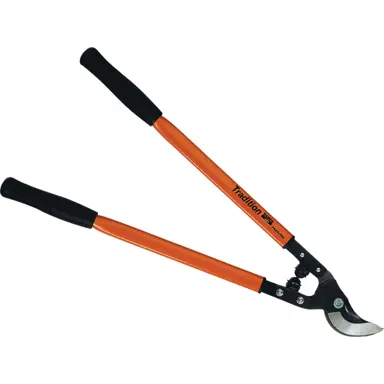
Bypass Loppers (Bahco P16)
The Bahco P16 bypass loppers are designed for long and continuous use, hence why they are used widely across the horticultural industry. They are robust with a strongly curved blade that allows for quick and powerful cuts. The steel handles have a soft rubber grip to ensure non-slip in all conditions and to reduce fatigue on the user.
From $199.95