muehlenbeckia species
Looking for an overview of muehlenbeckia species? You’ve just found your guide to these fascinating and versatile New Zealand natives. Muehlenbeckia species are popular among gardeners for their adaptability, architectural appeal, and unique foliage forms. Whether you’re aiming to create natural borders, groundcovers, or attractive climbers, this genus offers an option for nearly every garden situation. Several muehlenbeckia species are endemic to New Zealand, making them ideal for native gardens and eco-friendly planting schemes. Dive in to discover which muehlenbeckia species best suit your landscaping needs.
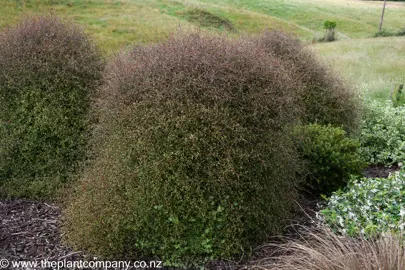
Muehlenbeckia astonii (Mingimingi)
Muehlenbeckia astonii, commonly known as the Wiggy Wig Bush or Shrubby Tororaro, is a distinctive New Zealand native shrub characterised by its tangled, wiry growth habit and small, deciduous leaves. Growing to 1.5–2 metres tall, it forms a dense, sculptural shape that is ideal for both modern and native gardens.
From $20.63
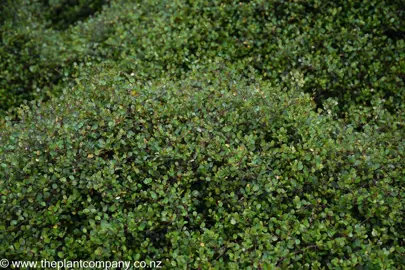
Muehlenbeckia axillaris (Creeping Wire Vine)
Muehlenbeckia axillaris, commonly known as Creeping Wire Vine, is a hardy New Zealand native groundcover with wiry stems and small, dark green leaves. It forms a dense, mat-like spread ideal for covering banks, rockeries, or underplanting.