Call us: 0800 843 752Free shipping for orders $150 or over
Gift Vouchers

muehlenbeckia astonii common name

Muehlenbeckia astonii is a truly unique native New Zealand plant, prized for its quirky tangled branches and resilience. When searching for the muehlenbeckia astonii common name, you’ll likely come across two: “Wiggy Wig Bush” and “Shrubby Tororaro.” These monikers reflect both the plant’s visually distinctive wiry appearance and its deep roots in New Zealand’s botanical heritage. Whether you’re a home gardener, landscaper, or conservation enthusiast, understanding the muehlenbeckia astonii common name is essential for recognising this remarkable shrub and its role in ecological restoration and ornamental gardens.

Muehlenbeckia astonii (Mingimingi)

4.7 from 3 customers

Mingimingi, Wiggy Wig, Shrubby Totoraro

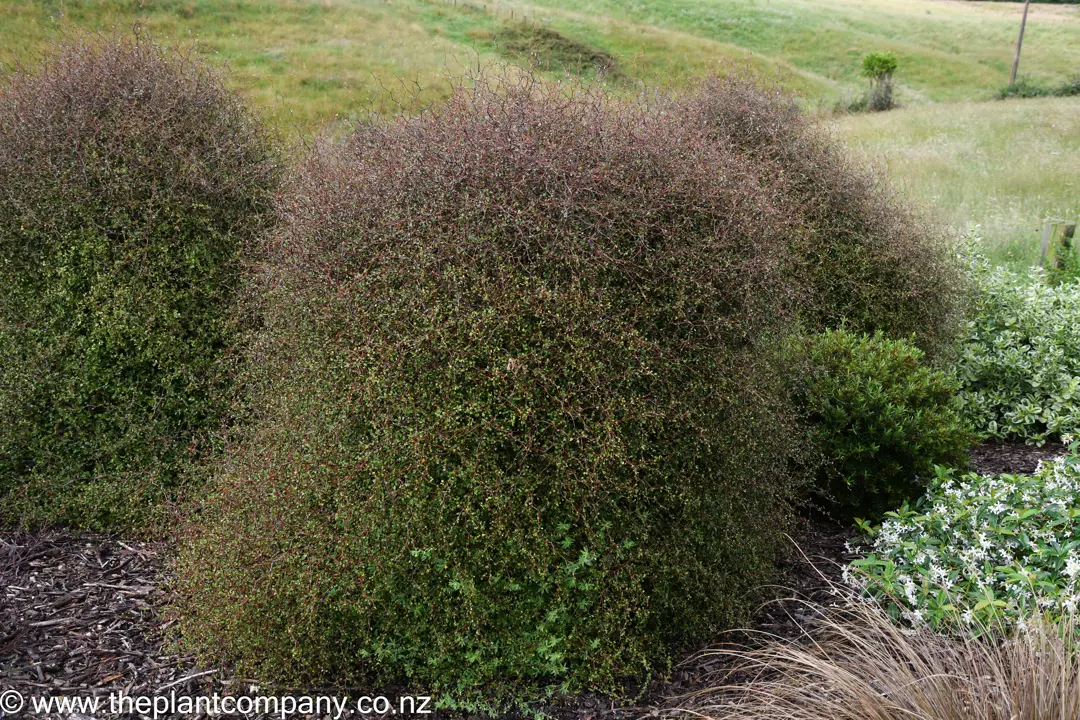
Muehlenbeckia astonii, commonly known as the Wiggy Wig Bush or Shrubby Tororaro, is a distinctive New Zealand native shrub characterised by its tangled, wiry growth habit and small, deciduous leaves. Growing to 1.5–2 metres tall, it forms a dense, sculptural shape that is ideal for both modern and native gardens. Hardy and drought-tolerant once established, it thrives in full sun and well-drained soil. Muehlenbeckia astonii is a low-maintenance, eye-catching plant that also plays a vital role in native restoration efforts.

Large Muehlenbeckia astonii shrub in a garden.
  • Suited to regions:
    All regions
  • Plant type:
    Shrubs
  • Height:
    2.50 m
  • Spread:
    1.50 m
  • Flowering time:
    Summer
  • Tolerances:
    Coastal, Extended dry periods, Hardy, Wind
  • Garden uses:
    Hedging, Living areas, Screening
  • Garden styles:
    Alpine, Architectural, Backyard, City & Courtyard, Coastal, Formal, Frontyard, Japanese, Modern, Native
Muehlenbeckia axillaris growing as a ground cover.
Most Popular

Muehlenbeckia axillaris (Creeping Wire Vine)

Muehlenbeckia axillaris, commonly known as Creeping Wire Vine, is a hardy New Zealand native groundcover with wiry stems and small, dark green...

From$20.18
Muehlenbeckia australis foliage.
Most Popular

Muehlenbeckia australis (Large-leaved Pohuehue)

Muehlenbeckia australis, or Large-leaved Pohuehue, is a vigorous NZ native climber ideal for banks, fences, and revegetation. It features broad...

Muehlenbeckia complexa (Pohuehue) growing as a topiary hedge.
Most Popular

Muehlenbeckia complexa (Pohuehue)

Muehlenbeckia complexa (Pohuehue) is a vigorous, hardy NZ native climber or groundcover. It features wiry, twining stems and small, glossy green...

Muehlenbeckia ephedroides plant with grey foliage.
Most Popular

Muehlenbeckia ephedroides (Leafless Muehlenbeckia)

Muehlenbeckia ephedroides, or Leafless Muehlenbeckia, is a hardy NZ native groundcover or scrambling shrub with wiry, leafless stems and a unique...

abutilon-lucky-lantern-yellow-2
Most Popular

Abutilon Lucky Lantern Yellow

Abutilon Lucky Lantern Yellow, commonly known as Chinese Lantern, Flowering Maple, or Parlour Maple, is a dwarf variety that grows to just 50 cm tall...

From$26.93
Loropetalum 'Plum Gorgeous' with beautiful purple foliage growing out across a deck.
Most Popular

Loropetalum 'Plum Gorgeous'

Loropetalum 'Plum Gorgeous' produces fragrant, spider-like, dark pink flowers during spring and autumn, which are both unusual and appealing. The...

From$28.28
clianthus-kaka-king-
Most Popular

Clianthus Kaka King (Kaka King Clianthus)

Clianthus Kaka King, commonly known as The Red Kaka Beak, is a NZ native shrub that produces a flush of stunning, beak like flowers in summer. The...

From$169.98
azalea-inga-1
Most Popular

Azalea 'Inga'

Azalea 'Inga' is a beautiful evergreen azalea that produces masses of bright pink flowers during spring. The vibrant blooms sit above glossy green...

From$26.93
Cornus stolonifera 'Flaviramea' plants with yellow stems.
Most Popular

Cornus stolonifera 'Flaviramea'

Cornus stolonifera Flaviramea, commonly known as the Yellow Stem Dogwood, is a shrub that features bright yellow stems which become more pronounced...

From$299.92
Muehlenbeckia astonii (Mingimingi)

Did you find what you are looking for?

You might be interested in exploring Muehlenbeckia or Evergreen Shrubs.

Search Muehlenbeckia astonii (Mingimingi)

Origins and Meaning Behind the Common Name

The muehlenbeckia astonii common name, “Wiggy Wig Bush,” is a playful nod to the shrub’s tightly curled, zigzagging branch structure, which creates a dense, “wiggy” silhouette. “Shrubby Tororaro,” meanwhile, honours its Maori name and acknowledges its importance as a rare endemic plant in New Zealand. Both names highlight the plant’s character and its conservation significance, as muehlenbeckia astonii is considered nationally endangered but is becoming increasingly popular in native plantings and restoration projects.

Distinct Features of Muehlenbeckia astonii

Wiggy Wig Bush stands out with its intricate, leafless branches that form a compact, rounded hedge shape. Tiny, heart-shaped leaves adorn the stems during spring and summer, while delicate cream flowers appear in late summer, attracting pollinators. This hardy species flourishes in a variety of soils, tolerates exposed sites, and copes well with drought conditions. Ideal for hedges, borders, and specimen planting, Shrubby Tororaro provides structure and visual interest year-round, making it a top choice among native shrubs.

Planting and Uses in New Zealand Gardens

Gardeners love muehlenbeckia astonii for its versatility and resilience. Use it as a sculptural feature, form it into hedges, or incorporate it into wildlife gardens to enhance native biodiversity. Consider pairing it with other native shrubs like Coprosma propinqua (Mikimiki) or Pseudopanax colensoi (Mountain Five Finger) for textural contrast and habitat value. Its unusual form is perfect for contemporary landscape designs or as a talking point in traditional cottage gardens.

Comparing Muehlenbeckia astonii With Other Muehlenbeckia Species

If you enjoy the distinctive beauty of Wiggy Wig Bush, you might also explore other members of the Muehlenbeckia genus. For groundcover options, Muehlenbeckia axillaris (Creeping Wire Vine) offers a low-growing mat ideal for carpets along paths. Muehlenbeckia complexa (Pohuehue) provides a lush, weaving cover, while Muehlenbeckia australis (Large-leaved Pohuehue) climbs and twines for vertical interest. For something truly unique, try Muehlenbeckia ephedroides (Leafless Muehlenbeckia).

Integrating Muehlenbeckia astonii With Ornamental Shrubs

To add year-round colour and structure alongside your Shrubby Tororaro, consider companion plants like Rhododendron The President, Camellia japonica 'Gwenneth Morey', or Rhododendron Vireya 'White Knight'. These flowering species provide stunning seasonal displays, balancing the sculptural silhouette of muehlenbeckia astonii.

By recognising the muehlenbeckia astonii common name and its unique traits, you’re well-equipped to incorporate this fascinating native shrub into your garden or restoration project. Its striking form, ecological value, and adaptability make Wiggy Wig Bush an essential plant for anyone passionate about New Zealand’s flora.


Contact us

Whether you need assistance finding the plant you’re looking for or you simply want to know more about who we are and what we do, we invite you to get in touch with us today. A member of The Plant Company team will get back in touch as soon as possible.

Ficus Black Knight and Rose 'Flower Carpet White' have stood the test of time, but new generations of gardeners are discovering Acer palmatum 'Crimson Queen', Taxodium distichum Cascade Falls, and Dieffenbachia Camille.
–The Plant Company

Explore Garden Inspiration

Sign up to receive a free $10 Voucher You won’t be bombarded with emails, just titbits of quality information from time to time Sign up
Free shipping on orders over $150!

Join our community of happy customers.

4.9

429 Google reviews