lily of the valley tree
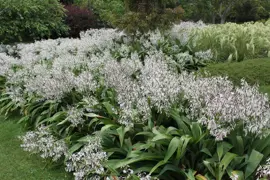
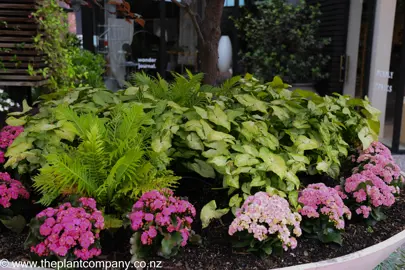
Searching for the lily of the valley tree in New Zealand? You’re not alone! Many gardeners are intrigued by the elegant appeal of this plant, but often discover that “lily of the valley tree” is used to describe different species. Most commonly, it refers to members of the Pieris genus, particularly Pieris japonica, which is also known as the lily of the valley bush or shrub. These graceful evergreen shrubs produce pendulous clusters of white or pink bell-shaped flowers that resemble those of the classic woodland lily of the valley. If you’re considering adding a lily of the valley tree to your garden, knowing its growth habits, uses, and alternatives will help you make the right choice.
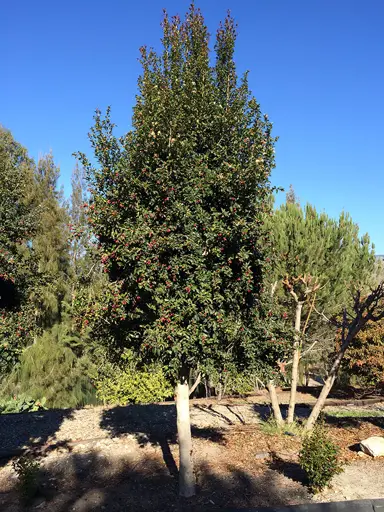
Syzygium australe
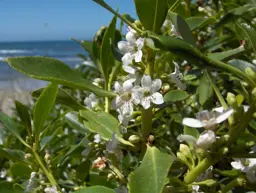
Syzygium australe, commonly known as Lily Pily, is a popular evergreen shrub or small tree valued for its glossy foliage, colourful new growth, and dense growth habit. This versatile Australian native adds year round structure, privacy, and texture to gardens throughout New Zealand.
From $344.95
Magnolia denudata
Magnolia denudata, commonly known as the Lily Tree or Yulan Magnolia, is a deciduous tree admired for its large, fragrant, creamy white flowers that bloom in early spring before the leaves emerge. It typically grows 6 to 10 metres tall with a broad, rounded canopy.
From $270.40