Call us: 0800 843 752Free shipping for orders $150 or over
Gift Vouchers

lilly pilly spacing

Choosing the right lilly pilly spacing is essential for creating a healthy, attractive hedge or specimen planting in your New Zealand garden. Lilly pillies are popular evergreen shrubs and trees, known for their glossy leaves, fluffy flowers, and colourful berries. To achieve the look and privacy screen you desire, understanding how much room to give each plant is key. Proper spacing not only ensures vigorous growth but also reduces maintenance and disease problems, making the most of your investment in these versatile plants.

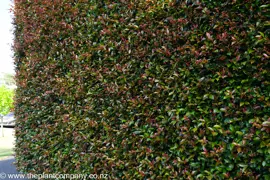
Large Eugenia ventenatii hedge with red and green foliage.

Eugenia ventenatii

Eugenia ventenatii (Lilly Pilly) is a popular evergreen shrub known for its dense foliage, glossy leaves, and attractive new growth. It performs very well in New Zealand conditions and is widely used for hedging, screening, and topiary. This versatile plant provides year round structure and responds well to trimming. Eugenia ventenatii (Lilly Pilly) is ideal for creating privacy and adding greenery to any garden.

Suited to regions: Subtropical, Temperate
Plant type: Shrubs
Height: 4.00 m
Spread: 3.00 m
Flowering time: Summer
Garden uses: Containers, Hedging, Living areas, Parks, Pool areas, Screening, Specimen
Garden styles: Backyard, City & Courtyard, Formal, Frontyard, Japanese, Modern, Tropical
eugenia-uniflora-surinam-cherry-

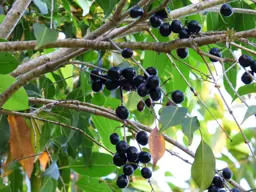
Eugenia uniflora (Surinam Cherry)

Eugenia uniflora, commonly known as the Surinam or Brazilian Cherry, is a small tree that features new foliage which emerges a bronze colour and ages to become dark green. The somewhat dense foliage is adorned with star-shaped, red fruits during summer. It typically grows to 6 m tall and 3.5 m wide, but can be trimmed as necessary. Eugenia uniflora is commonly used for hedging and screening, planted as a backdrop for smaller plants, grown as a specimen, added to a mixed planting, or maintained in a container.

Suited to regions: Subtropical, Temperate
Plant type: Trees
Height: 6.00 m
Spread: 3.50 m
Flowering time: Spring
Tolerances: Coastal
Garden uses: Culinary, Hedging, Living areas, Parks, Pool areas, Screening, Specimen, Walls
Garden styles: Backyard, City & Courtyard, Coastal, Formal, Frontyard, Japanese, Modern
Eugenia ventenatii

Did you find what you are looking for?

You might be interested in exploring related Latin Names - Eugenia, or related Categories - Evergreen Shrubs and Evergreen Trees.

Search Eugenia Szygium

Why Lilly Pilly Spacing Matters

Whether you’re planting a formal hedge or a loose screen, the spacing you give your lilly pillies directly impacts their growth, appearance, and long-term health. Plants that are set too close may compete for nutrients and light, increasing the risk of fungal diseases, while those spaced too widely may take too long to fill in. Different varieties have unique growth habits and mature sizes, so the ideal lilly pilly spacing depends on the species you choose and your garden goals.

Recommended Spacing for Popular Varieties

For dense hedges using compact lilly pilly varieties such as Eugenia ventenatii (Lilly Pilly) or Syzygium australe, 1 metre apart is a common guideline. This promotes a seamless, lush look as the plants grow together. For more substantial trees like Eugenia jambolana (Java Plum) or taller growing types of Eugenia myrtifolia (Syzygium myrtifolia), you might increase the spacing to 1.5 to 2.5 metres, depending on the ultimate height and spread you desire.

When planting a mixed hedge or incorporating larger specimens such as Eugenia caryophyllata (Clove), adjust the spacing based on the mature size of the largest species in your plan. For informal screens, or if you prefer a less manicured look, spacing your lilly pillies further apart will give each plant more room to develop its natural shape and encourage individual character.

How to Plant for Best Results

Before planting, mark out your intended row using stakes and string to ensure even lilly pilly spacing. Dig holes at your measured intervals, ensuring each is at least twice the width of the root ball. Add compost and slow-release fertiliser to give your new plants the best start. After planting, mulch well and water regularly, especially during the first summer.

Careful attention to lilly pilly spacing at planting time results in a healthy, vigorous hedge or screen that needs less pruning and offers better airflow, which helps prevent common lilly pilly issues like psyllid infestations or fungal problems. Regular maintenance, including feeding and pruning, will keep your planting looking its best.

Find the Best Lilly Pilly for Your Garden

Discover your ideal lilly pilly species by exploring our range, including Eugenia ventenatii (Lilly Pilly), Syzygium australe, Eugenia jambolana (Java Plum), Eugenia myrtifolia (Syzygium myrtifolia), and Eugenia caryophyllata (Clove). With the right lilly pilly spacing and variety choice, you’ll enjoy a thriving, beautiful garden feature year-round.


Contact us

Whether you need assistance finding the plant you’re looking for or you simply want to know more about who we are and what we do, we invite you to get in touch with us today. A member of The Plant Company team will get back in touch as soon as possible.

–The Plant Company

Explore Garden Inspiration

Sign up to receive a free $10 Voucher You won’t be bombarded with emails, just titbits of quality information from time to time Sign up
Free shipping on orders over $150!

Join our community of happy customers.

4.9

429 Google reviews