Call us: 0800 843 752Free shipping for orders $150 or over
Gift Vouchers

juvenile lancewood

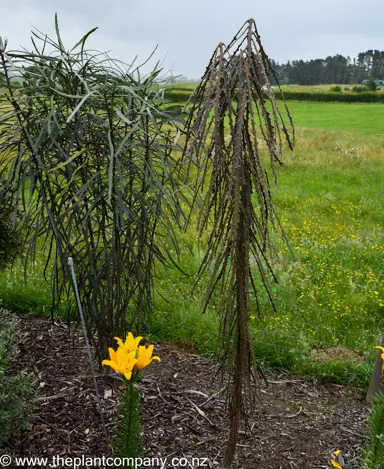
Juvenile lancewood is a truly unique native plant of New Zealand, instantly recognised by its remarkable juvenile form featuring long, narrow, sharply serrated leaves that hang vertically from stiff branches. This stage, which can last for several decades, gives the plant a striking, prehistoric appearance—a favourite among garden designers and collectors seeking distinct foliage textures and architectural style. Growing juvenile lancewood in your garden is not only a tribute to New Zealand’s remarkable flora, but also a way to provide food and habitat for native birds and insects. If you’re searching for juvenile lancewood to add to your landscape, understanding its growth habits, care requirements, and companion plants will help you cultivate an attractive and thriving specimen.
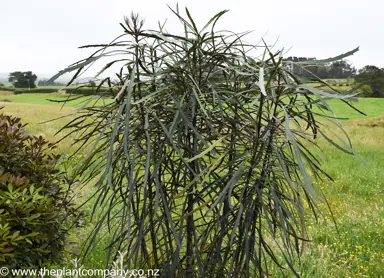
Pseudopanax crassifolius growing in a garden with dark green foliage.

Pseudopanax crassifolius (Lancewood)

5 from 2 customers

Pseudopanax crassifolius, commonly known as Lancewood or Horoeka, is a distinctive New Zealand native tree renowned for its dramatic transformation from juvenile to adult form. In its youth, it showcases long, narrow, downward-pointing leaves with toothed margins, which over time mature into shorter, broader leaves forming a rounded canopy. This evolutionary adaptation is believed to have deterred browsing by Moa birds.

Suited to regions: All regions
Plant type: Trees
Height: 5.00 m
Spread: 3.00 m
Tolerances: Hardy, Wet
Garden uses: Living areas, Ponds, Pool areas, Screening
Garden styles: Alpine, Architectural, Backyard, City & Courtyard, Frontyard, Japanese, Modern, Native
Full sized Pseudopanax ferox (Fierce Lancewood) at four years old.

Pseudopanax ferox (Toothed Lancewood)

Pseudopanax ferox, commonly known as Fierce or Toothed Lancewood, is a NZ native tree that features interesting juvenile and mature forms. The juvenile leaves are long and slender with strongly toothed margins, while the adult form is much bushier and has a braided appearance. It grows slowly to eventually reach 8 m in height and 3 m in width. Pseudopanax ferox is commonly used as an architectural feature, added to a mixed planting, or grown around the pool or patio areas, where it is contained with trimming.

Suited to regions: All regions
Plant type: Trees
Height: 8.00 m
Spread: 3.00 m
Tolerances: Extended dry periods, Hardy
Garden uses: Parks, Ponds, Pool areas, Screening, Specimen
Garden styles: Alpine, Architectural, Backyard, City & Courtyard, Frontyard, Modern, Native
carpodetus-serratus-4

Carpodetus serratus

Carpodetus serratus, commonly known as the Putaputaweta Tree or Marble Leaf, is an attractive, NZ native tree with spreading branches that host...

From$343.89
Prumnopitys taxifolia (Matai) juvenile tree growing as a specimen in a park.

Prumnopitys taxifolia (Matai)

Prumnopitys taxifolia, commonly known as Matai or Black Pine, is a stately, NZ native tree with quite different juvenile and adult forms. The...

From$329.63
Ficus pumila (Creeping Fig) growing on a stone wall with colourful foliage.

Ficus pumila (Creeping Fig)

Ficus pumila, commonly known as Creeping Fig or Climbing Ficus, is a vigorous, evergreen climber popular in New Zealand for covering walls, fences...

From$18.23
A large Dacrycarpus dacrydioides (Kahikatea) tree.

Dacrycarpus dacrydioides (Kahikatea)

Dacrycarpus dacrydioides, commonly known as Kahikatea or White Pine, is a slow-growing, NZ native tree capable of reaching 50 m tall. The foliage on...

From$205.02
Dacrydium cupressinum (Rimu) tree juvenile foliage.

Dacrydium cupressinum (Rimu Tree)

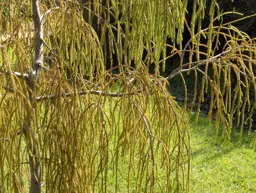
Dacrydium cupressinum, commonly known as Rimu or Red Pine, is an iconic and slow-growing tree. The juvenile form features drooping branches densely...

From$97.13
eucalyptus-blue-ice-

Eucalyptus Blue Ice (Gum)

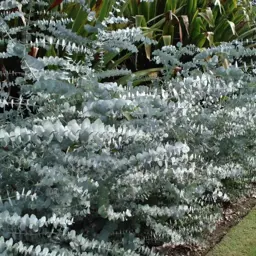
“Blue Ice” is a variety of Eucalyptus grown for its colourful foliage. The leaves on juvenile trees are rounded, powdery-blue, and held densely. As...

From$343.89
Pseudopanax crassifolius (Lancewood)

Did you find what you are looking for?

You might be interested in exploring related Latin Names - Carpodetus, Dacrycarpus, Dacrydium, Eucalyptus, Ficus Prumnopitys and Pseudopanax, or related Categories - Evergreen Climbers and Evergreen Trees.

Search juvenile lancewood

What is Juvenile Lancewood?

The term "juvenile lancewood" refers to the young growth stage of Pseudopanax crassifolius, a species endemic to New Zealand. For many years, it remains in its distinctive juvenile form, with sword-like leaves radiating from a central stem. As the lancewood matures, it gradually transforms into a tree with broader leaves and a bushier canopy. This transformation is one of the most fascinating aspects of juvenile lancewood and makes it a conversation starter in gardens and landscapes. If you’re considering adding this plant to your garden, visit Pseudopanax crassifolius (Lancewood) to find healthy nursery-grown specimens.

Best Uses in Garden Design

Juvenile lancewood is highly prized for its dramatic foliage and unusual silhouette, making it an ideal focal point for modern, native, or themed gardens. The plant’s vertical lines and bold leaf structure create striking contrast with softer shrubs and flowering perennials. Lancewood is also popular in native plantings, wildlife gardens, and urban landscaping projects. You can pair juvenile lancewood with other distinctive native plants, such as Pseudopanax Bronze Eagle or Carpodetus serratus, to build layered, visually engaging plant combinations.

Lancewood Care and Growing Conditions

Juvenile lancewood is robust and reliable, thriving in a range of conditions. Plant in well-drained soil and choose a position with full sun to partial shade. Lancewood is tolerant of wind and salt spray, making it suitable for coastal properties. While young, lancewood requires only moderate watering and minimal fertiliser. Mulching can help retain moisture and suppress weeds. Protect juvenile lancewood from frost during its early years and enjoy its slow, steady growth. For those wanting more dramatic textures, Pseudopanax ferox (Toothed Lancewood) is another fascinating species with even more pronounced leaf serrations.

Companion Plants and Related Species

Enhance your garden’s biodiversity and visual appeal by pairing juvenile lancewood with complementary native species. Pseudopanax Tuatara offers robust foliage, while Carpodetus serratus brings delicate, lacy leaves to the mix. By integrating these plants, you’ll create a dynamic and resilient landscape inspired by New Zealand’s beloved wild spaces.

Juvenile lancewood is an essential addition for gardeners wanting a unique and iconic native plant. Visit our nursery selection to discover quality plants ready for your landscape transformation.


Contact us

Whether you need assistance finding the plant you’re looking for or you simply want to know more about who we are and what we do, we invite you to get in touch with us today. A member of The Plant Company team will get back in touch as soon as possible.

Lomandra Frosty Tops and Rhododendron Scented Sun are popular for a reason, but it’s plants like Camellia 'High Fragrance', Carex Frosted Curls, and Macropiper excelsum that create a truly unique garden.
–The Plant Company

Explore Garden Inspiration

Sign up to receive a free $10 Voucher You won’t be bombarded with emails, just titbits of quality information from time to time Sign up
Free shipping on orders over $150!

Join our community of happy customers.

4.9

429 Google reviews