Call us: 0800 843 752Free shipping for orders $150 or over
Gift Vouchers

juvenile jacaranda

A juvenile jacaranda brings spectacular potential and vibrant interest to any New Zealand garden. With their delicate, fern-like foliage and elegant branching structure, these young trees are not only admired for their beauty, but also for their promise of breathtaking lavender-blue blooms in years to come. Whether you’re adding structure, shade, or a future focal point, a juvenile jacaranda is a wise investment for gardeners who appreciate both fast growth and long-term reward.
carpodetus-serratus-4

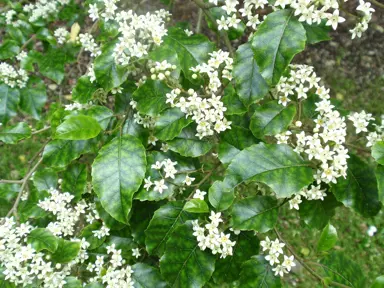
Carpodetus serratus

Carpodetus serratus, commonly known as the Putaputaweta Tree or Marble Leaf, is an attractive, NZ native tree with spreading branches that host marbled foliage. It grows with an open framework, though the juvenile form tends to have distinctly tangled growth and a greater degree of leaf marbling. It typically grows to 8 m in height and 3 m in width, performing best when planted in full sun or partial shade on a well-drained site. Carpodetus serratus is commonly grown as a specimen, added to a mixed planting in a large garden, or included in revegetation and native projects.

Suited to regions: Subtropical, Temperate
Plant type: Trees
Height: 8.00 m
Spread: 3.00 m
Flowering time: Spring
Tolerances: Hardy, Shade
Garden uses: Parks, Ponds, Screening, Specimen
Garden styles: Backyard, City & Courtyard, Frontyard, Modern, Native
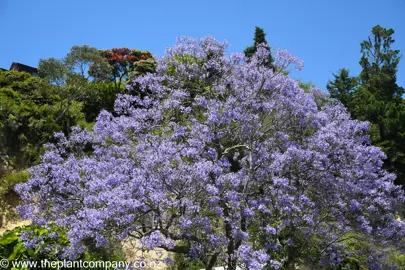
Large Jacaranda mimosifolia tree with blue flowers.

Jacaranda mimosifolia (Blue Jacaranda)

5 from 1 customers

Jacaranda mimosifolia, commonly known as the Blue Jacaranda tree, is a tropical-looking tree that is widely planted because of its beautiful and long-lasting blue flowers. Loose clusters of the deep blue-mauve flowers are borne across the tree through spring and summer. The dark green foliage has a fern-like appearance, and in warm climates, it remains evergreen; otherwise, it is deciduous. It typically grows to 12 m tall and 8 m wide. Jacaranda mimosifolia is commonly used in avenue plantings to provide an unforgettable sight, grown as a specimen, added to a mixed planting, or included in a ‘tropical’ garden.

Suited to regions: All regions
Plant type: Trees
Height: 12.00 m
Spread: 8.00 m
Flowering time: Spring, Summer
Tolerances: Hardy, Wind
Garden uses: Parks, Specimen
Garden styles: Alpine, Japanese, Tropical
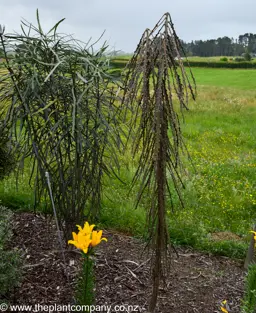
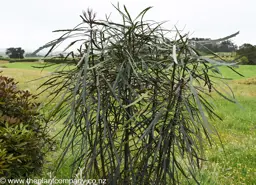
Full sized Pseudopanax ferox (Fierce Lancewood) at four years old.

Pseudopanax ferox (Toothed Lancewood)

Pseudopanax ferox, commonly known as Fierce or Toothed Lancewood, is a NZ native tree that features interesting juvenile and mature forms. The...

From$22.88
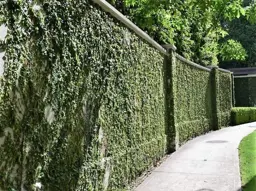
Ficus pumila (Creeping Fig) growing on a stone wall with colourful foliage.

Ficus pumila (Creeping Fig)

Ficus pumila, commonly known as Creeping Fig or Climbing Ficus, is a vigorous, evergreen climber popular in New Zealand for covering walls, fences...

From$18.23
Prumnopitys taxifolia (Matai) juvenile tree growing as a specimen in a park.

Prumnopitys taxifolia (Matai)

Prumnopitys taxifolia, commonly known as Matai or Black Pine, is a stately, NZ native tree with quite different juvenile and adult forms. The...

From$329.63
A large Dacrycarpus dacrydioides (Kahikatea) tree.

Dacrycarpus dacrydioides (Kahikatea)

Dacrycarpus dacrydioides, commonly known as Kahikatea or White Pine, is a slow-growing, NZ native tree capable of reaching 50 m tall. The foliage on...

From$205.02
Pseudopanax crassifolius growing in a garden with dark green foliage.

Pseudopanax crassifolius (Lancewood)

Pseudopanax crassifolius, commonly known as Lancewood or Horoeka, is a distinctive New Zealand native tree renowned for its dramatic transformation...

From$25.58
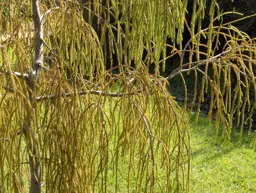
Dacrydium cupressinum (Rimu) tree juvenile foliage.

Dacrydium cupressinum (Rimu Tree)

Dacrydium cupressinum, commonly known as Rimu or Red Pine, is an iconic and slow-growing tree. The juvenile form features drooping branches densely...

From$97.13
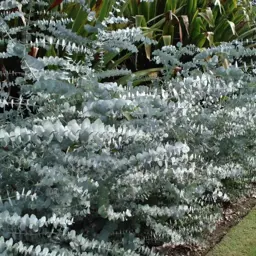
eucalyptus-blue-ice-

Eucalyptus Blue Ice (Gum)

“Blue Ice” is a variety of Eucalyptus grown for its colourful foliage. The leaves on juvenile trees are rounded, powdery-blue, and held densely. As...

From$343.89
Carpodetus serratus

Did you find what you are looking for?

You might be interested in exploring related Latin Names - Carpodetus, Dacrycarpus, Dacrydium, Eucalyptus, Ficus, Jacaranda Prumnopitys and Pseudopanax, or related Categories - Evergreen Climbers Deciduous Trees and Evergreen Trees.

Search juvenile jacaranda

What is a Juvenile Jacaranda?

A juvenile jacaranda is a young specimen of the iconic Jacaranda mimosifolia (Blue Jacaranda) tree. At this stage, jacarandas typically stand between one and three metres tall, showcasing fine, feathery leaves and a slender trunk. While they may not flower immediately, these trees rapidly develop strong root systems and leafy canopies, preparing for the abundant, trumpet-shaped blossoms they’re famous for. Juvenile jacarandas establish quickly in well-drained sites, making them suitable for urban landscapes, large gardens, and even as statement trees in parks and avenues.

Growing Conditions for Juvenile Jacaranda

Jacarandas thrive in New Zealand’s temperate regions and adapt well to mild winter climates. A juvenile jacaranda prefers a sunny position with shelter from harsh wind and heavy frost. Well-draining, fertile soil supports healthy root development during these formative years. Water regularly during dry spells, especially while young, to encourage vigorous growth and resilience. Mulching around the base is beneficial, but keep mulch clear of the trunk to avoid rot.

If you're considering other striking trees for your garden, explore the unique offerings like Carpodetus serratus, Elaeocarpus hookerianus, or Pseudopanax ferox (Toothed Lancewood), which all bring distinctive textures and forms to New Zealand gardens.

Landscaping With Juvenile Jacaranda

The upright, airy habit of a juvenile jacaranda makes it an excellent choice as a specimen tree or as part of a layered planting design. In its early years, underplant with lower-growing shrubs or groundcovers to fill space and offer seasonal colour. As the jacaranda matures, it will cast a light shade, allowing filtered sunlight for other sun-loving plants beneath. Combining your juvenile jacaranda with climbers such as Ficus pumila (Creeping Fig) creates vertical interest and enhances lush, subtropical garden designs.

Care Tips for Juvenile Jacaranda

To give your juvenile jacaranda the best start:

While patience is needed to see full flowering, the reward is well worth it. Within a few seasons, your juvenile jacaranda will begin to display its signature blue-mauve blooms, enchanting pollinators and transforming your landscape.

Shop Online for Juvenile Jacaranda Trees

Ready to add the magic of a jacaranda to your garden? Browse our selection of Jacaranda mimosifolia (Blue Jacaranda) and discover other remarkable trees for your next landscaping project. Bring home the stunning colour and graceful form that only a juvenile jacaranda can provide.


Contact us

Whether you need assistance finding the plant you’re looking for or you simply want to know more about who we are and what we do, we invite you to get in touch with us today. A member of The Plant Company team will get back in touch as soon as possible.

–The Plant Company

Explore Garden Inspiration

Sign up to receive a free $10 Voucher You won’t be bombarded with emails, just titbits of quality information from time to time Sign up
Free shipping on orders over $150!

Join our community of happy customers.

4.9

429 Google reviews