jacaranda tree flower
The jacaranda tree flower is a true standout among flowering trees, famed for its vivid purple-blue blooms that transform streets and gardens into a spectacle each spring and early summer. Popular across New Zealand for its lush, fern-like foliage and show-stopping flower clusters, the jacaranda tree offers both shade and a dramatic floral display. Renowned for attracting pollinators like bees, the jacaranda tree flower creates an enchanting effect, carpeting the ground in purple as petals drift down with the breeze. This page explores everything you need to know about jacaranda blooms—from planting, bloom times, and care, to complementary plants for a brilliant display year after year.
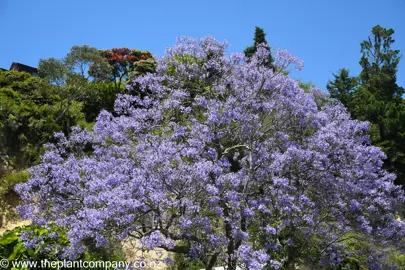
Jacaranda mimosifolia (Blue Jacaranda)
Jacaranda mimosifolia, commonly known as the Blue Jacaranda tree, is a tropical-looking tree that is widely planted because of its beautiful and long-lasting blue flowers. Loose clusters of the deep blue-mauve flowers are borne across the tree through spring and summer.
From $323.65
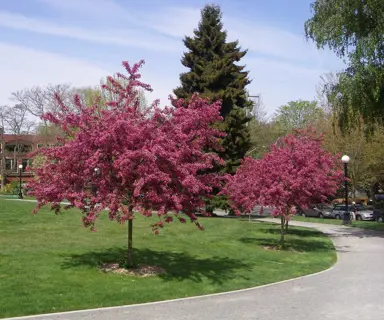
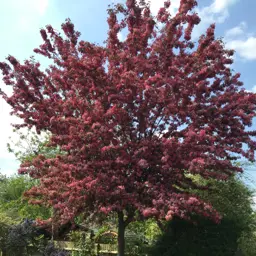
Crataegus laevigata 'Paul's Scarlet'
Crataegus laevigata 'Paul's Scarlet' is a magnificent deciduous flowering tree renowned for its masses of rich scarlet double flowers that cover the branches during spring. Fresh green foliage provides a lush backdrop before developing warm autumn tones later in the season.
From $340.69