english box hedge spacing
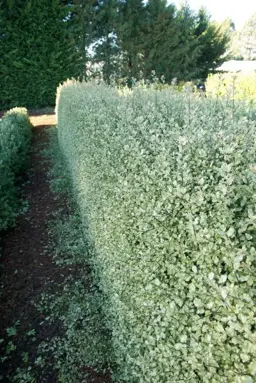
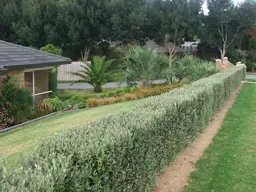
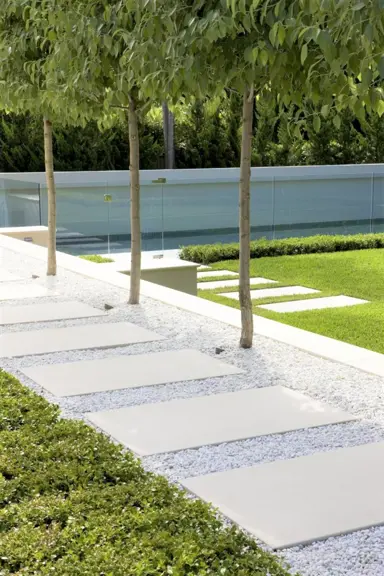
Choosing the right english box hedge spacing is essential for creating beautiful, dense, and healthy formal hedges that thrive in New Zealand gardens. Whether you're planning a classic border, knot garden, or elegant pathway edging, getting the spacing right when planting English box (Buxus sempervirens) ensures your hedge fills out evenly, looks lush, and remains easy to maintain. This guide covers everything you need to know about english box hedge spacing, including tips for different varieties and planting goals.
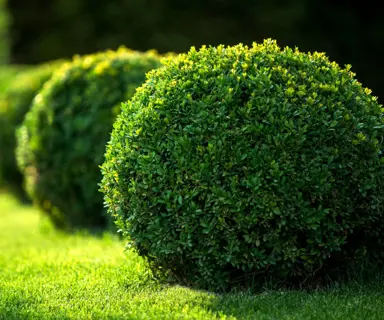
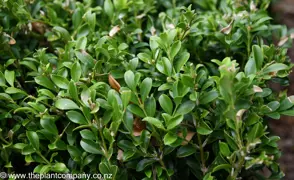
Buxus sempervirens (Boxwood)
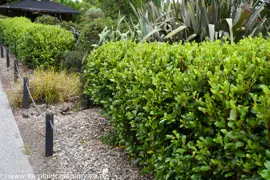
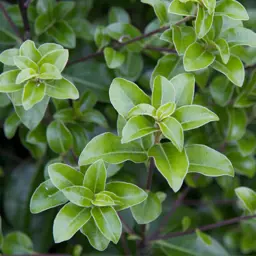
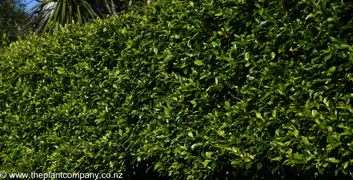
Buxus sempervirens, commonly known as English Box or Box Hedge, is a classic evergreen shrub popular in New Zealand for formal hedging and topiary. It features small, glossy green leaves and a dense, slow-growing habit, typically reaching 1–2 metres in height.
From $12.95
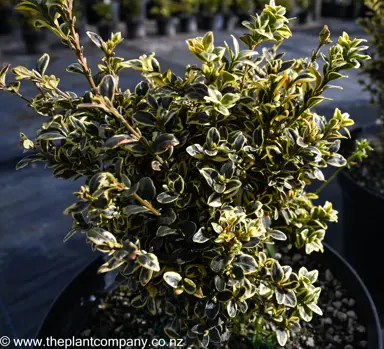
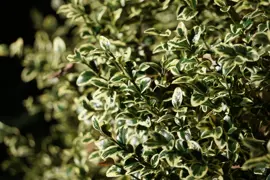
Buxus sempervirens 'Silver Beauty' (Silver Boxwood)
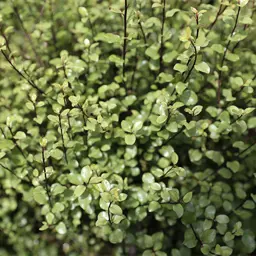
Buxus sempervirens 'Silver Beauty', commonly known as Box Hedge, features small leaves that are dark green with irregular, cream-silver margins, and held densely on short stems. Left untrimmed it will eventually grow to 1 m tall and 1.2 m wide.