Call us: 0800 843 752Free shipping for orders $150 or over
Gift Vouchers

daphne cultivation

Daphne cultivation can bring both beauty and fragrance to your New Zealand garden, but this rewarding shrub does call for a bit of expertise and patience. Daphnes are admired for their intoxicating scent, winter blooms, and graceful form. Whether you’re a seasoned gardener or a curious beginner, understanding the finer points of daphne cultivation will help you achieve healthy, thriving plants and a garden that delights the senses. Careful site selection, soil preparation, planting technique, and ongoing care are all essential to successfully growing daphne shrubs.
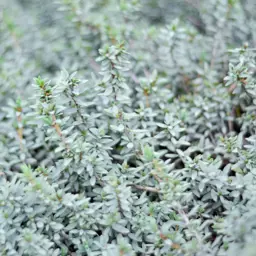
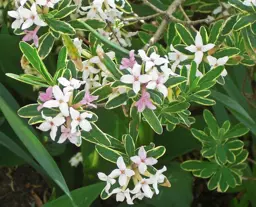
Pimelea prostrata 'Blue Peter' plants with fine and elegant, blue foliage.

Pimelea prostrata 'Blue Peter'

5 from 1 customers

Pimelea prostrata 'Blue Peter', commonly known as Pinatoro or the NZ Daphne plant, is a mat-forming, NZ native, ground cover plant. It has small, blue foliage which becomes adorned with fragrant, white flowers in spring and results in white berries. This evergreen typically grows to 10 cm tall and 50 cm wide. Pimelea prostrata 'Blue Peter' is commonly used as a groundcover, added to coastal plantings, included in rock gardens, planted around outdoor living areas, grown on a bank, or positioned so it can spill out over a path or over a wall.

Suited to regions: All regions
Plant type: Groundcover Plants
Height: 10 cm
Spread: 50 cm
Flowering time: Spring
Tolerances: Coastal, Hardy, Wind
Garden uses: Borders, Ground covering, Living areas, Paths & Steps, Pool areas
Garden styles: Backyard, City & Courtyard, Coastal, Frontyard, Japanese, Mediterranean, Modern, Native, Rock
fertiliser-for-acid-loving-plants-

Fertiliser for acid loving plants (Acid Fertiliser)

5 from 4 customers

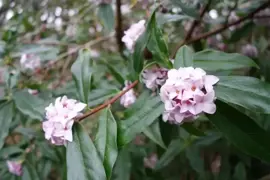
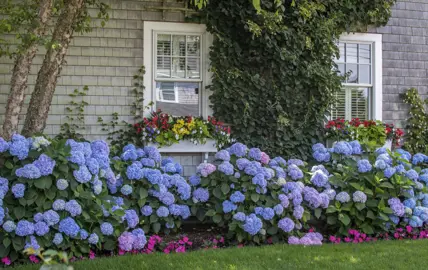
Using fertiliser for acid loving plants is important for plants such as Camellias, Rhododendrons, Azaleas, Daphne’s, Gardenia’s, and Hydrangea’s who all prefer an acidic soil. The Plant Company has specifically blended fertilisers to cater for such plants that also reduces the risk of injury to plants through being applied too heavily. Our blend has a NPK rating of 4.1:6.4:5 with sulphur levels at 19.7 and contains a mix of essential trace elements.

fertiliser-for-acid-loving-plants-

Fertiliser for acid loving plants (Acid Fertiliser)

Using fertiliser for acid loving plants is important for plants such as Camellias, Rhododendrons, Azaleas, Daphne’s, Gardenia’s, and Hydrangea’s who...

From$7.50
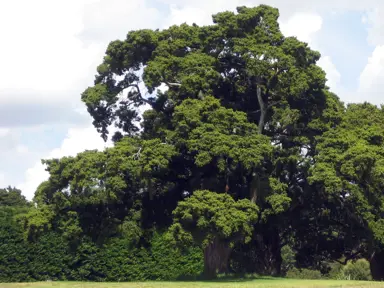
A lagre Podocarpus totara tree about 150 years of age.

Podocarpus totara

Podocarpus totara, commonly known as the Totara tree, is a majestic native tree of New Zealand, prized for its durable timber and cultural...

From$29.63
Nestegis montana narrow green leaves on a tree.

Nestegis montana (Narrow-Leaved Maire)

Nestegis montana is a hardy and attractive native tree of New Zealand, known for its upright growth habit and glossy green foliage. This evergreen...

Phyllocladus trichomanoides lush green foliage.

Phyllocladus trichomanoides (Celery Pine)

Phyllocladus trichomanoides, commonly called Celery Pine, is a striking New Zealand native tree valued for its unique, celery like foliage and tall...

From$457.29
Pimelea prostrata 'Blue Peter'

Did you find what you are looking for?

You might be interested in exploring related Latin Names - Daphne, Nestegis, Phyllocladus Pimelea and Podocarpus, or related Categories - Acid Loving Plants, Groundcover Plants Evergreen Shrubs and Evergreen Trees.

Search daphne cultivation

Selecting Daphne Varieties for Your Garden

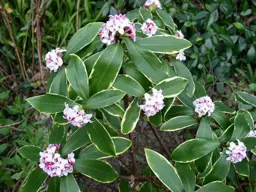
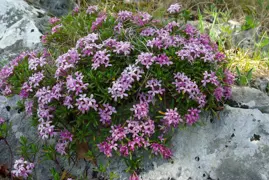
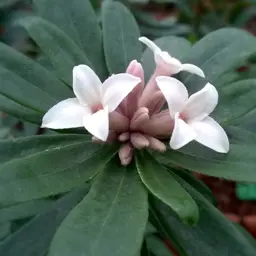
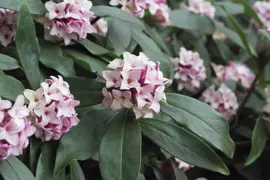
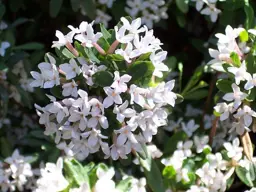
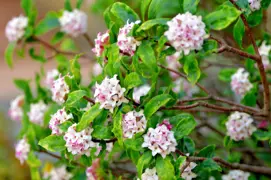
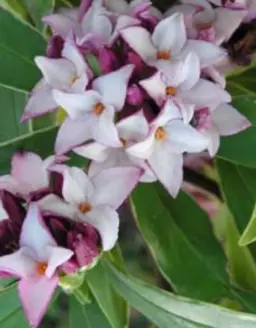
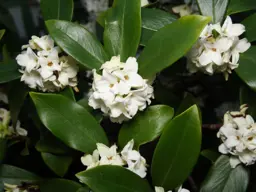
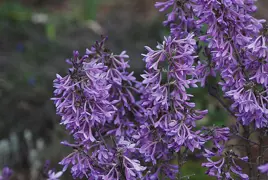
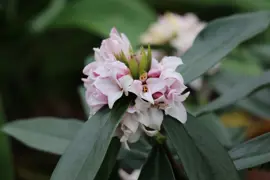
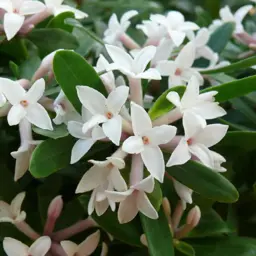
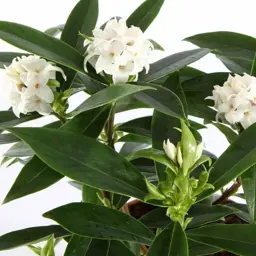
Choosing the right species is the first step in daphne cultivation. Different daphnes offer varied forms and flower colours. For compact, low-growing beauty, Daphne cneorum (Rose Daphne) delivers charming pink blooms and is ideal for rock gardens or borders. If you desire intense fragrance during winter, Daphne odora Rubra (Red Winter Daphne) graces the garden with deep pink flowers and glossy leaves. Daphne arbuscula (Rose Daphne) is a rare, diminutive species that fits well in alpine settings, while Daphne odora Marginata (Variegated Fragrant Daphne) adds visual interest with its variegated foliage and sweet scent. The striking Daphne odora Aureomarginata (Daphne japonica Striata) features golden-edged leaves and offers both flowering and foliage appeal.

Site and Soil Requirements

Daphne cultivation thrives best in locations with morning sun and shaded afternoons, protecting plants from harsh heat while ensuring adequate light. Well-drained, humus-rich soils are critical; daphnes strongly dislike “wet feet” and can succumb quickly to waterlogged conditions. Amending your planting site with compost and ensuring good drainage will help your daphnes set strong roots. Raised beds or slightly sloped sites offer better drainage, further reducing risks of root rot.

Planting Daphne Shrubs

Plant daphnes with minimal disturbance to their roots. Handling them gently is key, as the roots are sensitive and don’t appreciate rough treatment. Dig a hole just big enough for the rootball and place the plant, keeping soil and mulch away from its base to avoid rot. Space daphne shrubs apart to encourage air movement and minimise fungal issues. Water thoroughly after planting, and continue with moderate, regular watering—never allowing the soil to remain soggy.

Ongoing Care and Maintenance

Daphne cultivation means less pruning and fertilising than many other shrubs. Avoid overfeeding with fertilisers; use diluted, balanced feeds during active growth if needed. Mulch lightly in spring to conserve moisture, but keep the mulch away from stems. Watch for signs of stress, such as yellowing leaves or sudden wilt, which can indicate root issues. Daphnes are best left undisturbed, so resist the urge to transplant or over-prune. Maintaining healthy soil and careful watering will keep your daphnes thriving for many years.

Flowering and Landscape Use

Daphnes reward gardeners with fragrant winter or spring blooms, making them invaluable for season-spanning colour and aroma. Their compact growth makes them suitable for borders, pathways, and containers. With the right approach to daphne cultivation, you’ll enjoy delicate flowers and intoxicating scent through the colder months, lending your garden a special appeal.

For unique and fragrant additions, consider Daphne cneorum (Rose Daphne), Daphne odora Rubra (Red Winter Daphne), and Daphne odora Aureomarginata (Daphne japonica Striata) to complement your daphne collection. Every species offers a new dimension to your landscape, making daphne cultivation a rewarding pursuit for any New Zealand gardener.


Contact us

Whether you need assistance finding the plant you’re looking for or you simply want to know more about who we are and what we do, we invite you to get in touch with us today. A member of The Plant Company team will get back in touch as soon as possible.

–The Plant Company

Explore Garden Inspiration

Sign up to receive a free $10 Voucher You won’t be bombarded with emails, just titbits of quality information from time to time Sign up
Free shipping on orders over $150!

Join our community of happy customers.

4.9

429 Google reviews