Call us: 0800 843 752Free shipping for orders $150 or over
Gift Vouchers

cycas revoluta growth rate

Understanding the Cycas revoluta growth rate is essential for anyone looking to add this popular plant to their garden or landscape. Commonly known as the Sago Palm or King Sago, Cycas revoluta is valued for its architectural form, feathery foliage, and ancient origins. However, its slow growth can sometimes surprise gardeners accustomed to faster-developing palms and cycads. Whether you're a beginner or an experienced enthusiast, this guide explains how fast you can expect your Cycas revoluta to grow, factors that affect its growth rate, and tips to help your plant thrive.

Cycas revoluta

5 from 1 customers

Cycas revoluta, commonly known as the Sago Palm, King Sago, Sago Cycad, or Japanese Sago Palm, is an impressive and popular, small Palm tree. It grows with a fibrous trunk which is topped with a whorl of feathery, dark green fronds held with a gentle arch as it grows to 3 m tall and the same wide. Cycas revoluta makes an excellent specimen and is commonly added to tropical plantings, maintained in a container, planted around a pool or other outdoor living areas, or added to a mixed planting.

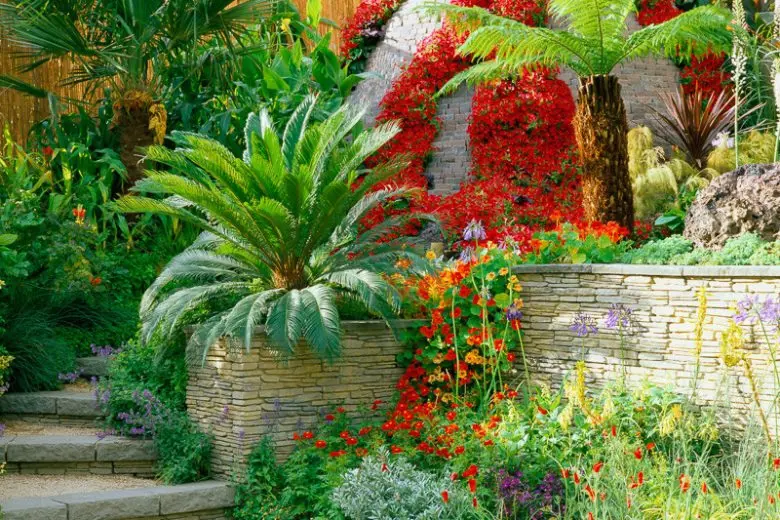
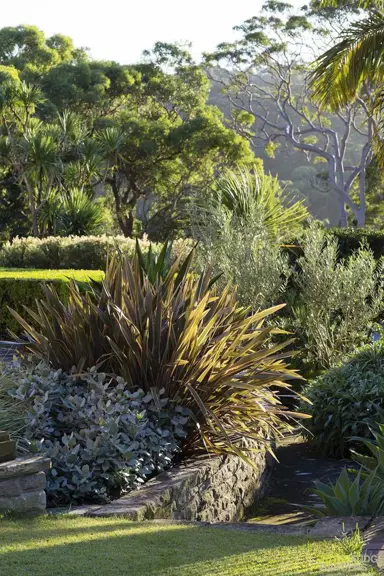
Cycas revoluta (Sago Palm) in a luxurious garden.
  • Suited to regions:
    Subtropical, Temperate
  • Plant type:
    Palms
  • Height:
    3.00 m
  • Spread:
    3.00 m
  • Garden uses:
    Containers, Living areas, Parks, Pool areas, Screening, Specimen
  • Garden styles:
    Architectural, Backyard, City & Courtyard, Frontyard, Japanese, Mediterranean, Modern, Tropical

A Cycas thouarsii palm.
Most Popular

Cycas thouarsii

Cycas thouarsii, commonly known as the Madagascar Sago Palm or Madagascar Cycad, grows with a rugged trunk that is topped with a whorl of feathery...

Rhopalostylis sapida palms growing as a cluster.
Most Popular

Rhopalostylis sapida

Rhopalostylis sapida, commonly known as Nikau Palm, is a fast-growing and beautiful Palm tree. From a central trunk, it produces large and broad...

Large Dracaena draco (Canary Islands Dragon Tree) specimen trees.
Most Popular

Dracaena draco

Dracaena draco, commonly known as the Canary Islands Dragon Tree, is a striking, slow-growing evergreen ideal for New Zealand landscapes. It forms a...

From$72.49
Dypsis baronii (Sugar Cane Palm) with lush, green foliage.
Most Popular

Dypsis baronii

Dypsis baronii, commonly known as The Sugar Cane Palm, is a stunning plant which is well suited to smaller gardens. It is renowned for its multiple...

From$193.45
syagrus-romanzoffiana-
Most Popular

Syagrus romanzoffiana (Queen Palm)

Syagrus romanzoffiana, commonly known as Queen Palm, Cocos Palm, or Cocos plumosa, is a Palm Tree grown for its impressive form and foliage. Large...

From$210.73
Howea forsteriana palm tree in a garden.
Most Popular

Howea forsteriana

Howea forsteriana, commonly known as the Kentia Palm, is a popular and elegant Palm tree. It has a thin, slender trunk that supports feathery...

From$158.89
Cycas revoluta

Did you find what you are looking for?

You might be interested in exploring Cycas or Cycad.

Search Cycas revoluta

How Fast Does Cycas revoluta Grow?

Cycas revoluta is famously slow-growing. On average, under optimal outdoor conditions in New Zealand, a healthy, established plant typically grows about 2–5 cm in height per year. New foliage, called fronds, usually appears just once a year in spring or early summer, with each new flush producing a compact crown of dramatic green leaves. Patience is key, as even after a decade, a Cycas revoluta may only reach 1 metre in height. Indoors or in less-than-ideal climates, the growth rate can be even slower.

Factors Influencing Cycas revoluta Growth Rate

Several factors play a role in determining how quickly your Sago Palm matures:

Comparing Cycas revoluta to Other Palms

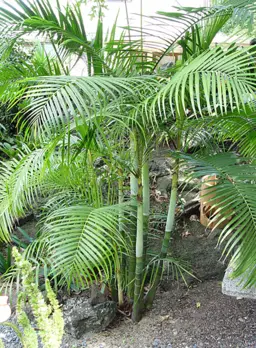
If you love the look of palms but are hoping for faster growth, consider related species such as the Cycas thouarsii, which tends to grow more quickly and produces larger leaves. Other options like Archontophoenix cunninghamiana (King Palm), Archontophoenix purpurea (Mt Lewis Palm), and Dypsis lutescens are true palms known for their faster vertical growth and lush appearance. For a tough, slow-growing palm with silvery foliage, Chamaerops humilis Cerifera (Atlas Mountain Palm) is another outstanding choice. Those seeking a dramatic, quickly maturing feature might look at Wodyetia bifurcata, the striking Foxtail Palm.

Tips for Maximising Growth

To encourage the best possible Cycas revoluta growth rate, plant it in a sunny, sheltered location with excellent drainage. Regularly remove old, yellowing leaves, and watch for pests such as scale or mealybugs. Avoid repotting or relocating mature plants frequently, as this can stress the roots and slow growth even further.

Conclusion

While the Cycas revoluta growth rate might be slow, the reward is a resilient, ancient-looking plant that brings structure and beauty to any space for decades. For gardeners who value patience and timeless appeal, the Sago Palm is a perfect choice, fitting into both modern landscapes and traditional plantings. With the right conditions and a little care, your Cycas revoluta will become a treasured focal point in your garden for generations to come.


Contact us

Whether you need assistance finding the plant you’re looking for or you simply want to know more about who we are and what we do, we invite you to get in touch with us today. A member of The Plant Company team will get back in touch as soon as possible.

–The Plant Company

Explore Garden Inspiration

Sign up to receive a free $10 Voucher You won’t be bombarded with emails, just titbits of quality information from time to time Sign up
Free shipping on orders over $150!

Join our community of happy customers.

4.9

429 Google reviews