Call us: 0800 843 752Free shipping for orders $150 or over
Gift Vouchers

cycas revoluta description

Cycas revoluta, commonly known as the Sago Palm or King Sago, is an extraordinary and popular landscape plant renowned for its ancient, palm-like appearance and remarkable resilience. Despite its common name, Cycas revoluta is not a true palm but a cycad, an ancient group of plants that predates the dinosaurs. Its robust form, textured trunk, and lush, feathered foliage make it a striking addition to gardens throughout New Zealand. Whether used as a focal point in a tropical border or as a statement piece in containers, the Sago Palm is loved by garden enthusiasts for both its bold form and easy care requirements.

Cycas revoluta

5 from 1 customers

Cycas revoluta, commonly known as the Sago Palm, King Sago, Sago Cycad, or Japanese Sago Palm, is an impressive and popular, small Palm tree. It grows with a fibrous trunk which is topped with a whorl of feathery, dark green fronds held with a gentle arch as it grows to 3 m tall and the same wide. Cycas revoluta makes an excellent specimen and is commonly added to tropical plantings, maintained in a container, planted around a pool or other outdoor living areas, or added to a mixed planting.

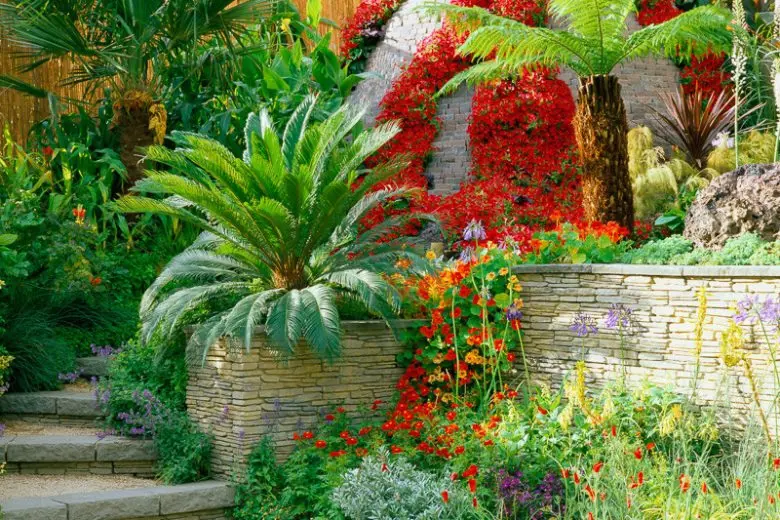
Cycas revoluta (Sago Palm) in a luxurious garden.
  • Suited to regions:
    Subtropical, Temperate
  • Plant type:
    Palms
  • Height:
    3.00 m
  • Spread:
    3.00 m
  • Garden uses:
    Containers, Living areas, Parks, Pool areas, Screening, Specimen
  • Garden styles:
    Architectural, Backyard, City & Courtyard, Frontyard, Japanese, Mediterranean, Modern, Tropical
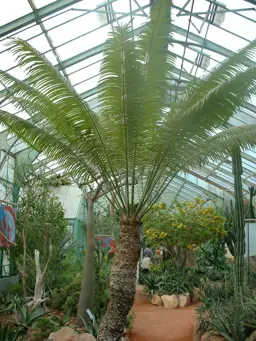
A Cycas thouarsii palm.
Most Popular

Cycas thouarsii

Cycas thouarsii, commonly known as the Madagascar Sago Palm or Madagascar Cycad, grows with a rugged trunk that is topped with a whorl of feathery...

syagrus-romanzoffiana-
Most Popular

Syagrus romanzoffiana (Queen Palm)

Syagrus romanzoffiana, commonly known as Queen Palm, Cocos Palm, or Cocos plumosa, is a Palm Tree grown for its impressive form and foliage. Large...

From$210.73
Large Dracaena draco (Canary Islands Dragon Tree) specimen trees.
Most Popular

Dracaena draco

Dracaena draco, commonly known as the Canary Islands Dragon Tree, is a striking, slow-growing evergreen ideal for New Zealand landscapes. It forms a...

From$72.49
Dypsis baronii (Sugar Cane Palm) with lush, green foliage.
Most Popular

Dypsis baronii

Dypsis baronii, commonly known as The Sugar Cane Palm, is a stunning plant which is well suited to smaller gardens. It is renowned for its multiple...

From$193.45
Howea forsteriana palm tree in a garden.
Most Popular

Howea forsteriana

Howea forsteriana, commonly known as the Kentia Palm, is a popular and elegant Palm tree. It has a thin, slender trunk that supports feathery...

From$158.89
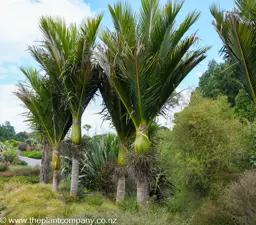
Rhopalostylis sapida palms growing as a cluster.
Most Popular

Rhopalostylis sapida

Rhopalostylis sapida, commonly known as Nikau Palm, is a fast-growing and beautiful Palm tree. From a central trunk, it produces large and broad...

From$24.23
Cycas revoluta

Did you find what you are looking for?

You might be interested in exploring Cycas or Cycad.

Search Cycas revoluta

Cycas revoluta description: Foliage, Form, and Growth Habits

A detailed Cycas revoluta description begins with the plant’s signature crown of glossy, deep-green fronds. Each frond can reach between 50 to 150 cm in length, arching elegantly from the central trunk in a symmetrical, rosette arrangement. The stiff, narrow leaflets are arranged on either side of the midrib, creating a feathery look that is both striking and architectural. The trunk grows slowly and is typically cylindrical, covered with persistent leaf bases that form a unique, scaly pattern.

This slow-growing plant can reach up to 2 metres over many years, making it suitable for both indoor and outdoor growing in temperate regions. Mature specimens often develop offsets, or pups, at the base, which can be separated and replanted to propagate new plants.

Ideal Conditions and Garden Uses

Cycas revoluta is known for its adaptability and does well in a range of light conditions, from full sun to part shade, and prefers well-drained, slightly sandy soil. Its drought tolerance makes it valuable for low-maintenance and water-wise gardens, and it also handles occasional frosts in sheltered spots. Sago Palms are perfect for subtropical or tropical-themed landscapes and are excellent for patio containers.

In New Zealand landscapes, the Sago Palm partners beautifully with other bold foliage plants. For those interested in expanding their palm collection, consider pairing Cycas revoluta with relatives like the elegant Cycas thouarsii or striking palms such as Archontophoenix alexandrae (Alexander Palm), Butia capitata (Jelly Palm), and Livistona australis. For smaller spaces or a lush understorey, Chamaedorea cataractarum and Howea belmoreana offer excellent companion options.

Care and Maintenance

One of the key benefits of Cycas revoluta is its hardiness and minimal maintenance requirements. It requires little pruning—just trim away yellowing or damaged fronds. Feeding with a slow-release, palm-friendly fertiliser in spring enhances the plant’s growth and colour. While Cycas revoluta is not commonly affected by pests or diseases in New Zealand, good air circulation and careful watering help prevent any potential issues.

Please note: All parts of Cycas revoluta are toxic if ingested, so take care around pets and children.

Conclusion

Cycas revoluta is celebrated for its dramatic foliage, resilience, and versatility in the landscape. Its timeless, prehistoric silhouette lends instant impact to gardens both modern and traditional. For anyone searching for a distinctive, low-maintenance feature plant, Cycas revoluta delivers impressive structure and year-round beauty. Explore more unique palms like Cycas thouarsii and Howea belmoreana to create your own subtropical oasis.


Contact us

Whether you need assistance finding the plant you’re looking for or you simply want to know more about who we are and what we do, we invite you to get in touch with us today. A member of The Plant Company team will get back in touch as soon as possible.

Sure, Chamaemelum nobile (Chamomile) and Dianella 'Little Jess' are crowd-pleasers, but Eucalyptus Baby Blue (Silver Gum), Pseudowintera Red Glow', and Magnolia Honey Tulip are quietly making a name for themselves.
–The Plant Company

Explore Garden Inspiration

Sign up to receive a free $10 Voucher You won’t be bombarded with emails, just titbits of quality information from time to time Sign up
Free shipping on orders over $150!

Join our community of happy customers.

4.9

429 Google reviews