Call us: 0800 843 752Free shipping for orders $150 or over
Gift Vouchers

cycads and palms

Cycads and palms have long captivated gardeners and landscape designers alike with their striking forms, lush foliage, and ancient lineage. These unique plants create an immediate sense of relaxation and sophistication in New Zealand gardens, giving both a tropical vibe and architectural drama. Whether you’re designing a subtropical oasis or seeking drought-tolerant statement plants for your landscape, exploring cycads and palms can transform your outdoor living space. This page is your guide to discovering the beauty, care, and uses of cycads and palms, with recommended species that thrive in Kiwi gardens.
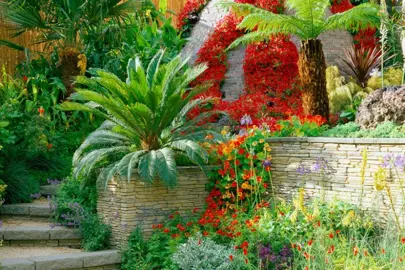
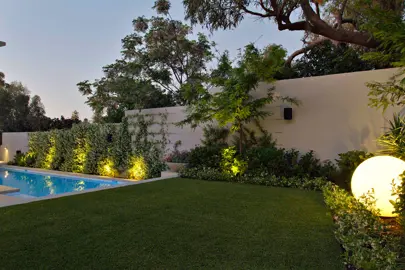
Cycas revoluta (Sago Palm) in a luxurious garden.

Cycas revoluta

5 from 1 customers

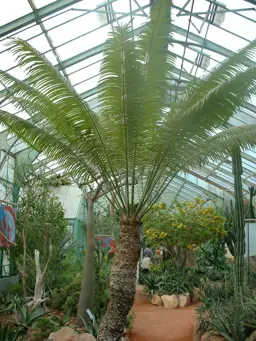
Cycas revoluta, commonly known as the Sago Palm, King Sago, Sago Cycad, or Japanese Sago Palm, is an impressive and popular, small Palm tree. It grows with a fibrous trunk which is topped with a whorl of feathery, dark green fronds held with a gentle arch as it grows to 3 m tall and the same wide. Cycas revoluta makes an excellent specimen and is commonly added to tropical plantings, maintained in a container, planted around a pool or other outdoor living areas, or added to a mixed planting.

Suited to regions: Subtropical, Temperate
Plant type: Palms
Height: 3.00 m
Spread: 3.00 m
Garden uses: Containers, Living areas, Parks, Pool areas, Screening, Specimen
Garden styles: Architectural, Backyard, City & Courtyard, Frontyard, Japanese, Mediterranean, Modern, Tropical
daphniphyllum-macropodum-3

Daphniphyllum macropodum

Daphniphyllum macropodum is a truly impressive evergreen tree. The young growth in spring resembles masses of miniature Cycads and has red hues. Older foliage sits as a rosette with a downward arch and is dark green. The combination of old and new foliage produces quite a dramatic display and affords the tree a lush appearance. Clusters of small, cream flowers in spring result in purple berries in autumn. It typically grows to 3 m tall and the same wide, and can be trimmed as necessary. Best results with this tree are achieved when it is grown in full sun or partial shade on a well-drained, sheltered site. It is tolerant of moderate frost once established. This evergreen is typically grown as a specimen, added to a mixed planting, maintained in a courtyard garden, included in a tropical garden, or planted around outdoor living areas.

Suited to regions: All regions
Plant type: Trees
Height: 3.00 m
Spread: 3.00 m
Flowering time: Spring
Garden uses: Living areas, Pool areas, Screening
Garden styles: Alpine, Backyard, City & Courtyard, Frontyard, Japanese, Mediterranean, Modern
phoenix-roebelenii--3

Phoenix roebelenii (Dwarf Date Palm)

Phoenix roebelenii, commonly known as the Dwarf Date Palm, Miniature Date Palm, or Pygmy Date Palm, is a delightful and popular Palm tree. It...

From$158.89
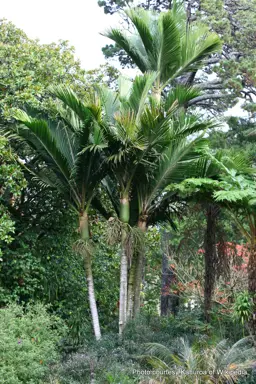
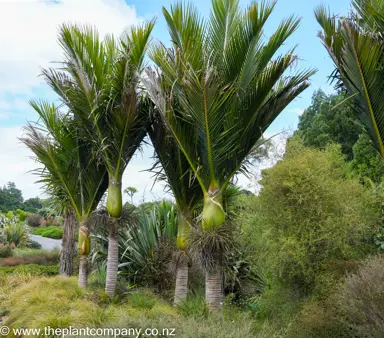
Rhopalostylis sapida palms growing as a cluster.

Rhopalostylis sapida

Rhopalostylis sapida, commonly known as Nikau Palm, is a fast-growing and beautiful Palm tree. From a central trunk, it produces large and broad...

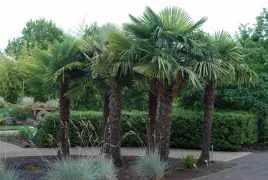
Chinese Windmill Palms planted as a cluster.

Trachycarpus fortunei (Chinese Windmill Palm)

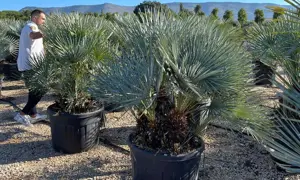
Trachycarpus fortunei, commonly known as the Windmill Palm, is a hardy, evergreen palm ideal for New Zealand gardens. It features a tall, slender...

From$48.53
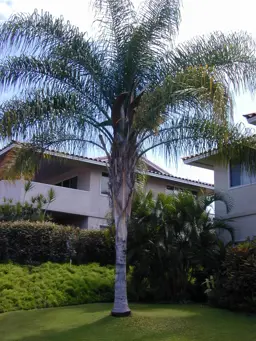
syagrus-romanzoffiana-

Syagrus romanzoffiana (Queen Palm)

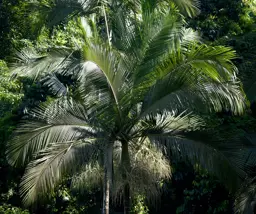
Syagrus romanzoffiana, commonly known as Queen Palm, Cocos Palm, or Cocos plumosa, is a Palm Tree grown for its impressive form and foliage. Large...

From$210.73
Cordyline stricta plants growing in their native setting.

Cordyline stricta

Cordyline stricta, commonly known as the Slender Palm Lily, features narrow, strap like, green leaves held on upright stems which gives a very lush...

From$43.13
Howea forsteriana palm tree in a garden.

Howea forsteriana

Howea forsteriana, commonly known as the Kentia Palm, is a popular and elegant Palm tree. It has a thin, slender trunk that supports feathery...

From$158.89
beaucarnea-recurvata-

Beaucarnea recurvata (Pony Palm)

Beaucarnea recurvata (Ponytail Palm) is a distinctive ornamental plant admired for its swollen trunk base and long arching leaves. This unique plant...

From$70.13
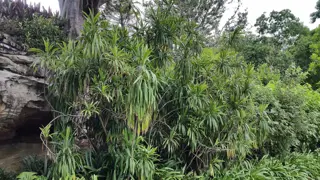
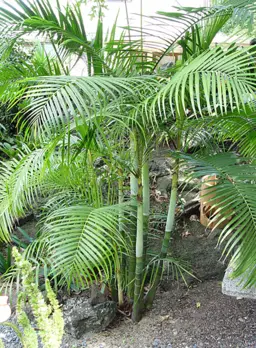
Dypsis baronii (Sugar Cane Palm) with lush, green foliage.

Dypsis baronii

Dypsis baronii, commonly known as The Sugar Cane Palm, is a stunning plant which is well suited to smaller gardens. It is renowned for its multiple...

From$193.45
palm-tree-fertiliser-1

Palm Tree Fertiliser (Palm Tree Fertiliser)

Choosing the correct Palm tree fertiliser is essential for producing better quality foliage, stronger fronds, and a much healthier and brighter...

From$12.50
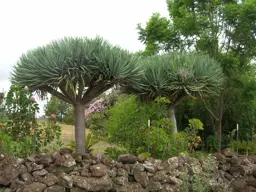
Large Dracaena draco (Canary Islands Dragon Tree) specimen trees.

Dracaena draco

Dracaena draco, commonly known as the Canary Islands Dragon Tree, is a striking, slow-growing evergreen ideal for New Zealand landscapes. It forms a...

From$72.49
Cycas revoluta

Did you find what you are looking for?

You might be interested in exploring related Latin Names - Beaucarnea, Cordyline, Cycas, Daphniphyllum, Dracaena, Dypsis, Howea, Phoenix, Rhopalostylis Syagrus and Trachycarpus, or related Categories - Palm Tree Fertiliser, Indoor Plants, Palms, Cycad Palm Trees and Evergreen Trees.

Search cycads and palms

What Are Cycads and Palms?

Although cycads and palms thrive in similar conditions and share a dramatic, palm-like appearance, they come from separate plant families. Cycads are ancient seed plants dating back over 200 million years. They have stiff, feathery fronds and are celebrated for their prehistoric charm. Palms, in contrast, are more modern and vary widely in shape, from towering trunked species to compact clumping forms. Both cycads and palms add structure and interest, serving as extraordinary focal points in gardens and public spaces.

Popular Cycads for New Zealand Gardens

Many cycads are perfect for New Zealand’s climates, ranging from coastal north to cooler southern regions. Some of our favourite recommendations include:

Palm and Cycad Uses in the Garden

Cycads and palms are valued not only for their distinctive aesthetics but also for their practical benefits. Use them as bold specimen plants, create layered tropical plantings, or incorporate them into courtyards for year-round greenery. Many cycads, including Macrozamia communis (Burrawang Cycad) and Cycas revoluta, also perform well in pots, making them suitable for patios and entrances. Their tough nature means many cycads tolerate dry periods and coastal winds, while their slow growth is perfect for low-maintenance gardening.

Growing Tips for Cycads and Palms

Most cycads and palms prefer free-draining soil and a sunny to partly shaded site. Shelter young plants from frosts until established. Feed regularly with a slow-release fertiliser to encourage lush foliage and strong root development. Water deeply but infrequently, allowing the soil to dry slightly between waterings.

For gardeners seeking resilient, architectural plants, our collection of cycads and palms offers a world of options for every style and location. Browse our recommended species above to start your own botanical journey.


Contact us

Whether you need assistance finding the plant you’re looking for or you simply want to know more about who we are and what we do, we invite you to get in touch with us today. A member of The Plant Company team will get back in touch as soon as possible.

–The Plant Company

Explore Garden Inspiration

Sign up to receive a free $10 Voucher You won’t be bombarded with emails, just titbits of quality information from time to time Sign up
Free shipping on orders over $150!

Join our community of happy customers.

4.9

429 Google reviews