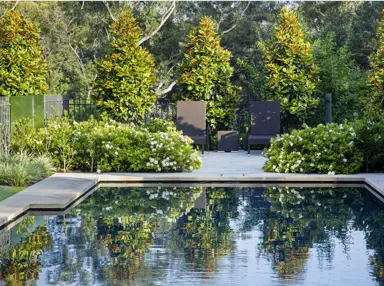
cycad growth rate
Understanding the cycad growth rate is essential for gardeners and plant enthusiasts looking to add these stunning prehistoric plants to their gardens. Known for their impressive symmetry and unique foliage, cycads are ancient plants with a well-deserved reputation for slow growth. Whether you’re interested in growing them for landscaping or as indoor specimens, knowing what to expect from your cycad’s development will help you cultivate patience and set realistic goals for your garden.

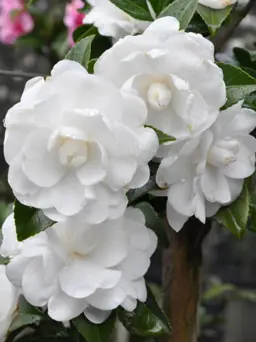
Camellia 'Water Lily'
Camellia 'Water Lily' is an elegant evergreen shrub admired for its soft pink layered blooms that resemble a water lily. It brings refined colour to New Zealand gardens from late winter into spring when many plants are still dormant.
From $28.95
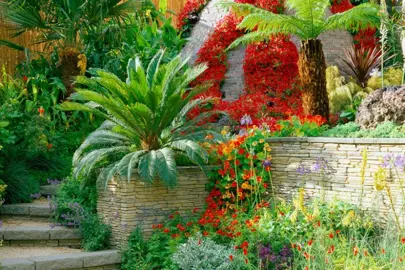
Cycas revoluta
Cycas revoluta, commonly known as the Sago Palm, King Sago, Sago Cycad, or Japanese Sago Palm, is an impressive and popular, small Palm tree. It grows with a fibrous trunk which is topped with a whorl of feathery, dark green fronds held with a gentle arch as it grows to 3 m tall and the same wide.
From $248.92