agathis australis kauri
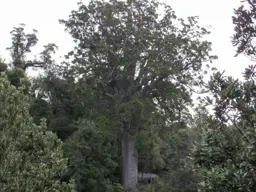
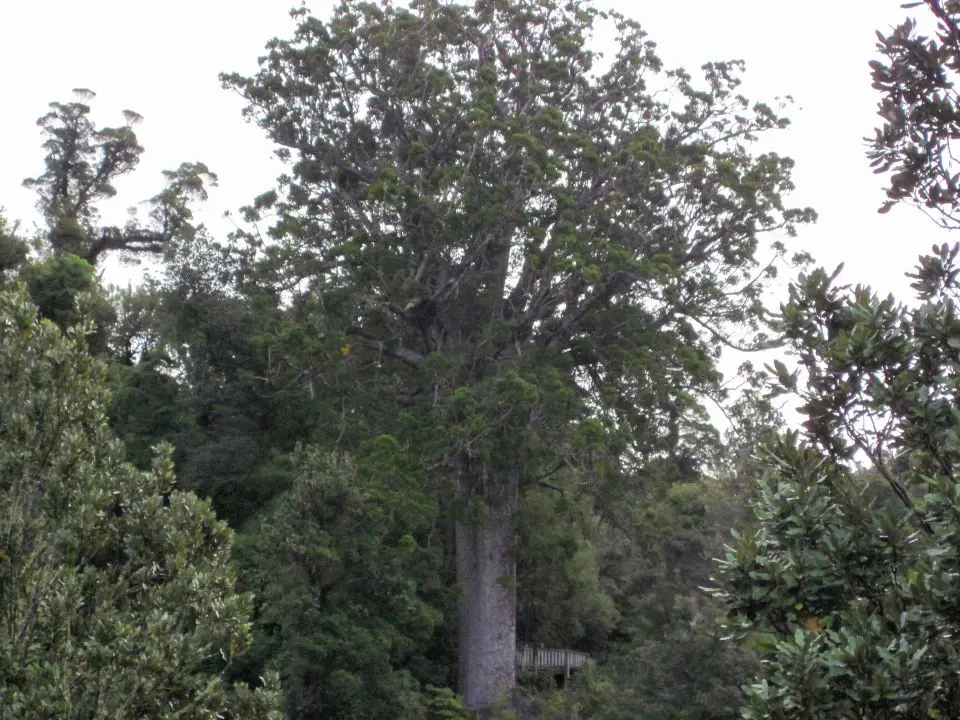
Agathis australis kauri is one of New Zealand’s botanical treasures, famed for its immense size, longevity, and significance in both ecology and culture. Commonly known as the Kauri Tree, Agathis australis kauri stands tall in native forests, with ancient specimens reaching heights of over 50 metres. For gardeners and landscapers keen to cultivate a piece of New Zealand heritage, this remarkable species offers durability, beauty, and a connection to the country’s natural legacy. Whether you’re restoring natural bush, creating shelterbelts, or looking for a specimen tree with real impact, the Agathis australis kauri is a wise choice. Below, discover useful facts about this iconic tree, how to grow it, and compare it with other members of the Agathis and broader tree family.
Agathis australis (New Zealand Kauri)
New Zealand Kauri, Kauri Pine, Southern Kauri
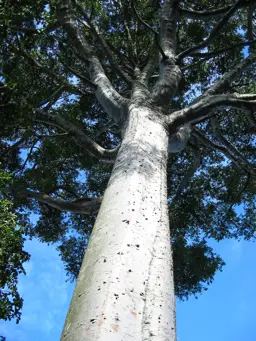
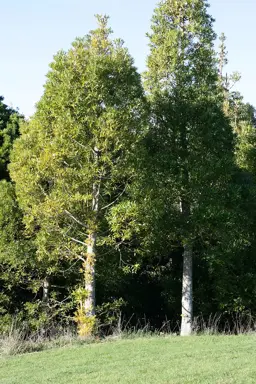
Agathis australis, commonly known as the Kauri tree, is a revered New Zealand native conifer renowned for its immense size and longevity. Reaching heights of up to 50 metres with a trunk girth exceeding 16 metres, Kauri trees can live for over 2,000 years, making them one of the world's largest and longest-living tree species.
From $34.95
- Suited to regions:
Subtropical, Temperate - Plant type:
Trees - Height:
50.00 m - Spread:
20.00 m - Garden uses:
Parks, Screening, Specimen - Garden styles:
Native